Warren Buffett's Coca-Cola Investment Grows to $34.7 Billion
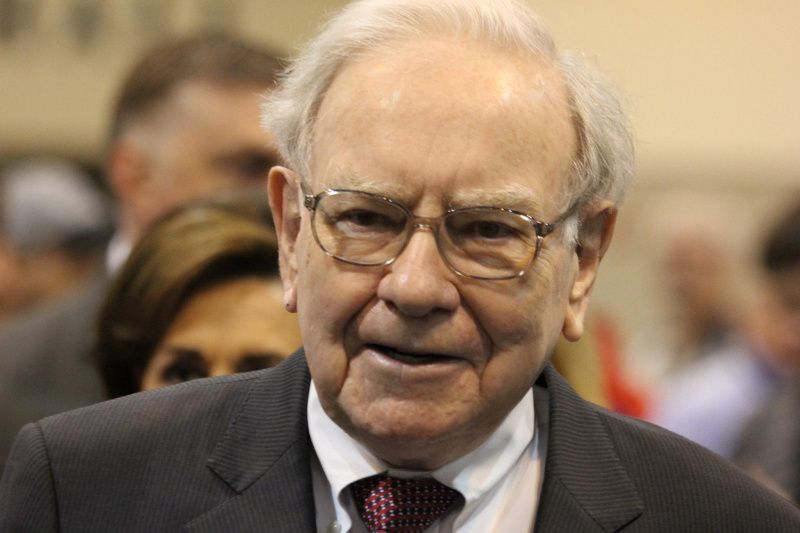
Warren Buffett recently resigned as chairman of Berkshire Hathaway, transitioning the role to his son, Howard Buffett, while Greg Abel took over as CEO earlier this year. This leadership change brings to light one of Buffett's most lucrative investments: Coca-Cola. Buffett began acquiring Coca-Cola shares in 1988, reaching a $1.3 billion investment by the early 1990s.
Berkshire Hathaway currently holds 400 million shares of Coca-Cola, equivalent to 9.3% of the company's outstanding shares. This position has appreciated significantly, now worth $34.7 billion, representing a return exceeding 2,500%. Additionally, Coca-Cola is the third-largest holding in Berkshire's portfolio, accounting for 10% of its overall investments.
Coca-Cola's financial contributions to Berkshire are not limited to stock value appreciation. The beverage company has consistently increased its dividends for 64 consecutive years, earning the title of Dividend King. Presently, Coca-Cola distributes a quarterly dividend of $0.53 per share, totaling $2.12 annually, which is a 4% increase from the previous year's payout. In 2022, Coca-Cola paid shareholders $8.8 billion in dividends, and since 2010, the total exceeds $100 billion.
Thanks to their substantial holding, Berkshire Hathaway receives $212 million in dividends each quarter, amounting to $848 million per year, which represents a striking 65% yield on their initial investment cost. This illustrates the power of long-term, compound growth—an investing principle Buffett is renowned for advocating.
Looking ahead, Coca-Cola forecasts about a 5% organic revenue growth and a 7%-8% increase in comparable currency-neutral earnings per share for this year, with an expected free cash flow of $12.4 billion. This performance aligns with Coca-Cola’s goal of 4% to 6% organic revenue growth and 7% to 9% for comparable earnings per share growth long-term.
Buffett's investment in Coca-Cola over the decades highlights the effectiveness of dividend growth as a strategy for wealth accumulation, affirming his philosophy of holding investments that yield sustainable long-term growth. Coca-Cola's financial performance indicates it could continue to be a solid, enduring investment.






