The US PET Industry Plans to Significantly Cut Emissions by 2050
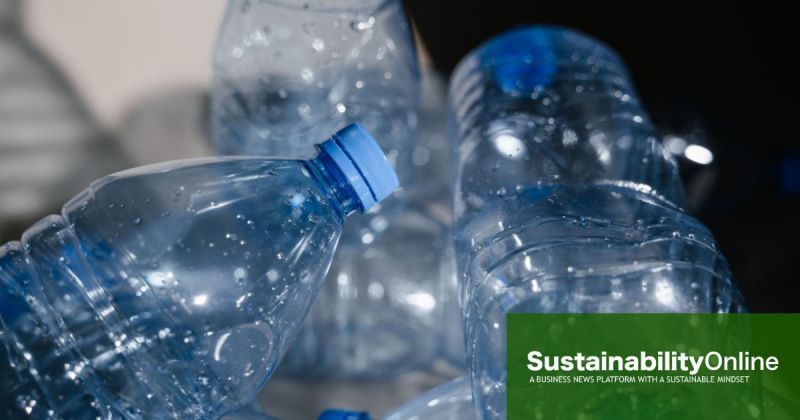
The PET packaging industry in the United States has the potential to significantly cut its emissions footprint by approximately 42% by the year 2050, while still expanding its production capabilities, according to a recent study commissioned by the National Association for PET Container Resources (NAPCOR). This report, named The PET Forward: A Decarbonization Roadmap for the PET Packaging Value Chain, was developed by the Eastern Research Group (ERG). It evaluates the emissions generated throughout the entire lifecycle of PET beverage bottles.
The report highlights that initial reductions in emissions can be achieved through measures such as lightweighting, increased usage of renewable energy sources, and enhanced efficiency in manufacturing practices. Moreover, the study emphasizes the importance of robust collection systems, an increased use of recycled materials, and further investment into recycling infrastructure as means to lay the groundwork for a low-emission industry in the long term.
Executive Director of NAPCOR, Laura Stewart, remarked on the current strengths of PET, noting its lower greenhouse gas emissions compared to other common beverage packaging solutions, its status as the most recycled plastic globally, and the existence of a comprehensive bottle-to-bottle recycling system that operates on a large scale. Stewart stated, "This roadmap shows that we don't have to choose between meeting growing consumer demand and continuing to improve environmental performance; we can do both."
The report also suggests that considerable progress could occur significantly sooner than 2050. By 2035, the average emissions intensity of PET water bottles, per 1,000 gallons of beverage, could decrease by about 44% from a 2023 baseline. However, the transition heavily depends on the availability of high-quality recycled PET, as well as the implementation of collection, sorting infrastructure, recycling capacity, and supportive policies.
Senior LCA expert at ERG, Dr. Mariya Absar, explained that the study offers a roadmap that accounts for multiple strategies over time, along with sensitivity analyses that consider future production growth and various methods of evaluating recycling benefits. Dr. Absar stated, "The result is a framework for identifying where the PET industry can act today and where collaboration across the value chain will be necessary to achieve further progress."