PepsiCo Revamps Muscle Milk to Compete in Protein Drink Market
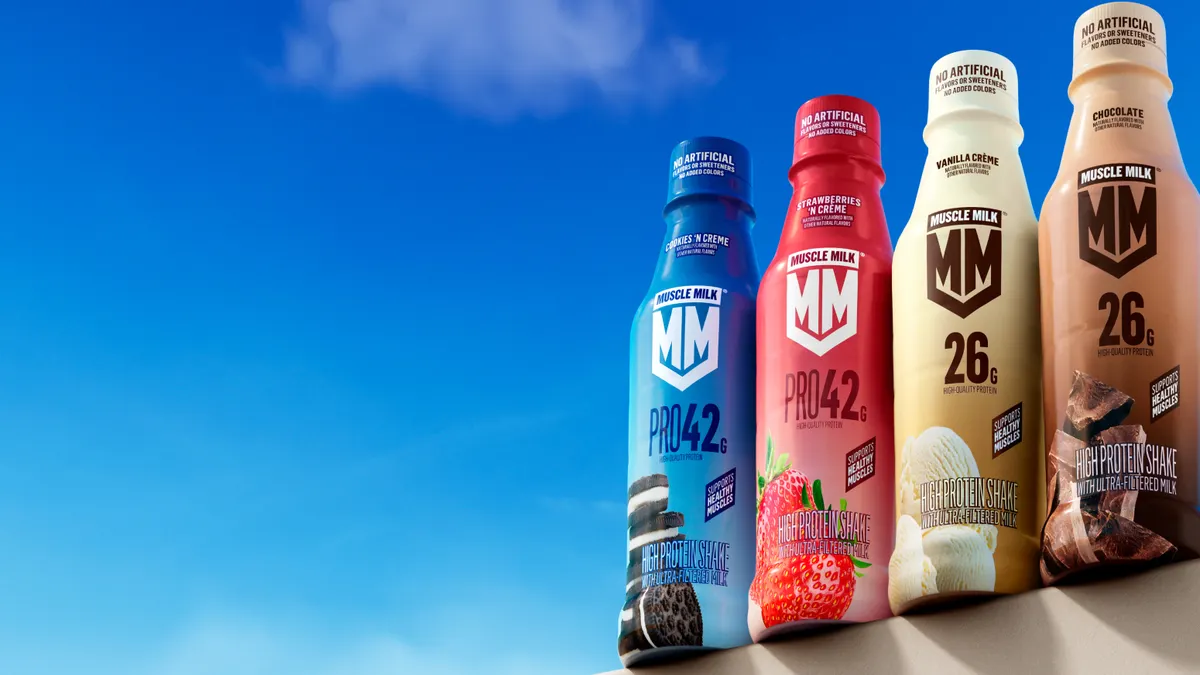
PepsiCo has undertaken a significant reformulation of its Muscle Milk protein drink, aiming to streamline its ingredients by nearly 50% while increasing protein content. This move is part of a broader strategy to enhance the brand's competitiveness in the crowded protein beverage market.
The new Muscle Milk formulation eliminates artificial sweeteners, flavors, and colors, setting itself apart from competitors like Premier Protein and Coca-Cola’s Core Power. According to Marissa Pines, vice president of PepsiCo’s Gatorade business, these changes are intended to better align with consumer preferences for simpler, cleaner products.
The reformulated drinks now contain 26 grams of protein per serving, up from 25 grams, with the Pro line offering even higher protein levels. The 14-ounce Pro version now provides 42 grams, while the 11-ounce variant contains 33 grams. All proteins are derived from ultra-filtered milk, which offers a smoother taste.
Despite the extensive changes, the prices of Muscle Milk products remain unchanged. The rebrand is accompanied by a new marketing campaign that targets a broad demographic, from athletes to busy parents, emphasizing the drink’s versatility and nutritional benefits.
The revamped Muscle Milk began appearing on store shelves nationwide in April, with initial sales data from one retailer showing a 30% increase. PepsiCo plans to apply similar reforms to its Muscle Milk powder line, with updated packaging expected later this year and a cleaner ingredients label set for 2027.
This initiative aligns with broader industry trends, as consumer demand for protein-rich products continues to grow. Recent data from the International Food Information Council indicates that 70% of Americans now seek more protein in their diets, up from 59% four years ago.
PepsiCo is not alone in this trend, as other food manufacturers are also integrating protein into various products, reflecting a strategic push to meet consumer demand and stimulate growth amid stagnant sales in other sectors.






