PepsiCo cuts Poppi earnout valuation to $12 million from $278 million
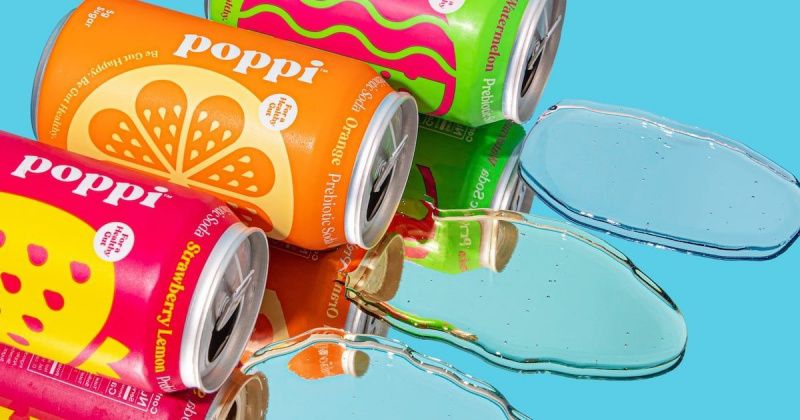
The third-quarter reassessment coincided with continued growth in prebiotic soda. Spate figures for the 52 weeks to October 4, 2026 put sales at approximately $1.32 billion, against $1.82 billion across the modern soda segment. Prebiotic drinks represented almost three-quarters of that segment’s sales. Compared with the preceding year, their sales value increased by 13%, while the number of units sold rose by 15.6%.
Modern soda as a whole also expanded faster than the wider soda market. Its sales value rose by 14.3% and unit purchases increased by 15.2%, according to Spate. Across all soda, sales value grew by 4.3%, but units slipped by 0.2%. Diet and zero-sugar varieties recorded a 13.3% increase in sales value and an 8.4% rise in units. Regular soda registered declines on both measures: sales value fell by 0.05%, while unit sales dropped by 4.4%.
Coca-Cola announced last month that it would test versions of Coca-Cola Zero Sugar, Sprite Zero Sugar and Fresca containing six grams of prebiotic fibre. The pilot covers New York, New Jersey and Pennsylvania. The company also competes in prebiotic soda through Simply Pop, alongside brands including Olipop, Poppi, Culture Pop and Health-Ade SunSip.
Brands in the modern soda segment are extending their ranges into energy, mood support and hydration as competition expands. Poppi’s additions include Poppi Lift, an energy drink containing 70 milligrams of caffeine, and Poppi Chill, which is positioned for relaxation and contains magnesium and l-theanine. These products broaden the brand’s offering beyond digestive health, adding different ingredients and functions to its portfolio.
Flavour is another focus for modern soda producers, alongside functional ingredients. Independent premium and flavoured soda brands Something & Nothing and Fruga promote natural flavours and products without added sugar or artificial sweeteners. Their positioning emphasises culinary-inspired tastes within the better-for-you soda segment. Both are among the brands offering consumers distinctive sparkling drinks, with flavour rather than functionality at the centre of their product proposition.
Established soda producers are also adjusting flavour profiles. Keurig Dr Pepper reformulated 7UP, shifting its emphasis from lemon towards lime. According to the company, the change was intended to distinguish the drink in a lemon-lime soda category worth $5 billion. The reformulation changes the flavour balance of an existing conventional soda brand, while other producers continue to offer their established signature tastes.
Pepsi, Mountain Dew and Sprite have retained their signature flavours while using partnerships with professional sports teams to reach consumers. Those partnerships target fans both in stadiums and at home. Sports marketing remains part of these brands’ activity alongside the flavour-focused product changes elsewhere in conventional soda and the broader range of functional offerings being introduced by modern soda brands.






