Nutritionists Compare Health Benefits of Oat, Coconut and Soy Milk
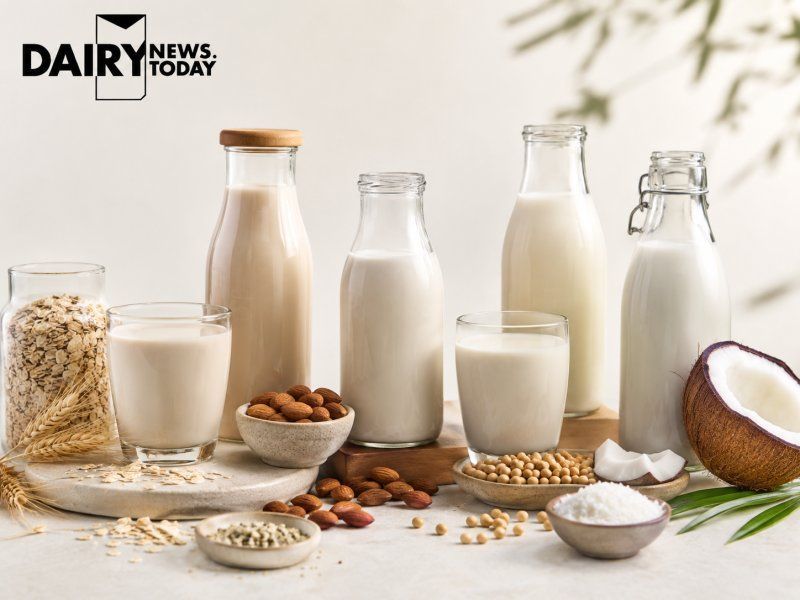
In response to rising consumer interest in dairy-free alternatives, nutritionists have evaluated oat, coconut, and soy milk, highlighting their nutritional profiles and potential health benefits. The global market for dairy alternatives was valued at up to $36.8 billion in 2025 and is projected to reach $66.9 billion by 2030. These products include various plant-based options such as those made from oats, coconuts, soybeans, almonds, peas, and rice.
Oat Milk
Oat milk is appreciated for its creamy texture and natural sweetness, making it a popular choice. George Yang, a registered dietitian nutritionist, notes that oat milk contains primarily unsaturated fats and complex carbohydrates, which could provide sustained energy. It also includes beta-glucan, a type of fiber positively associated with cardiovascular health due to its potential to lower cholesterol. Registered dietitian Trista Best mentions that oat milk might be linked with reduced mucus production and fewer inflammatory or gastrointestinal issues. Despite some criticism of ingredients like rapeseed oil, experts have not deemed them harmful.
Coconut Milk
Coconut milk, long used in Southeast Asia, is gaining popularity in the US, with a noted 12.6% increase in sales. Nutritionist Krutika Nanavati identifies coconut milk as rich in vitamin C, iron, and potassium, with medium-chain triglycerides that may offer a fast energy source and potential benefits for metabolism and weight management. Its lauric acid content and applicability in vegan or paleo recipes are also pointed out.
Soy Milk
Soy milk, a staple in East Asia, is one of the few plant-based milks providing all essential amino acids. It is nutritionally similar to cow's milk when fortified. Kassidy Johnson, a registered dietitian, highlights that fortified soy milk contains approximately 90 calories and 7 grams of protein per serving, with calcium, vitamin A, and vitamin D levels comparable to cow’s milk. Isoflavones in soy milk are linked to heart health and bone strength. Other alternatives like almond, rice, and pea milk provide additional choices for individuals with specific dietary needs.