Non-Alcoholic Drink Sales in the US Exceed $1 Billion
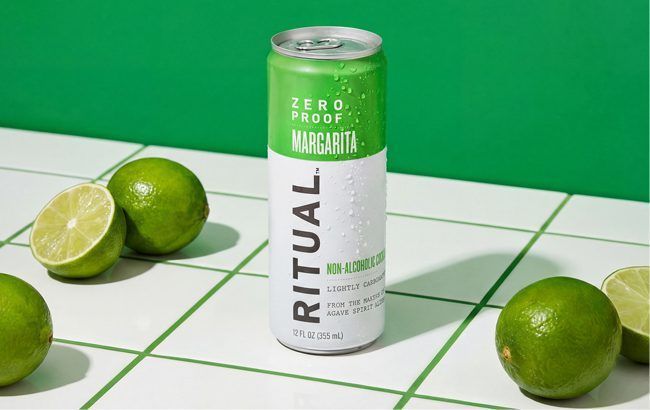
According to data from NIQ, US retail sales of non-alcoholic drinks surpassed $1.08 billion for the year ending June 27, 2026. This figure represents a 14.6% increase year-over-year. The information was shared during the 'State of Alcohol Alternatives in the US' seminar at Club Soda’s Low, No & Mid-Strength Summit in London.
Victoria Watters, co-founder of Dry Atlas, presented the seminar, indicating that non-alcoholic drinks have gained an additional 1% of total alcohol dollar sales in the twelve months leading to June 2026. Despite this growth, total alcohol dollar sales decreased by 2.8% to $53.6 billion in the first half of 2026.
Within the non-alcoholic segment, zero-ABV beer maintained the largest market share at 80.8%, growing its value by 12.2%. Alcohol-free wines followed with an 11.7% share, increasing by 17.8% in value. The non-alcoholic 'spirits' segment, including ready-to-drink (RTD) options, captured a 7.5% share and surged by 40.7% in value, with RTDs accounting for 75% of 'spirits' sales.
Consumer trends highlighted a significant demographic split, showing that Boomers lead in non-alc consumption with a 39.6% market share, although Gen Z is contributing swiftly to growth. Additionally, 94% of non-alc buyers also purchase full-strength beer, wine, or spirits.
Sales channels showed growth in the on-premise and online segments, with on-premise sales growing by 44.2%, despite the off-premise representing 64.9% of total non-alcoholic dollar sales. Online sales increased by 34.9%.
Watters also discussed potential market shifts, noting possible regulatory changes affecting THC drinks that could impact functional beverage sectors, with a 74% rise in THC drink sales reaching $289 million in the year up to September 9, 2025.
She pointed out three trends in the US market: the emergence of new price tiers among RTDs, potential growth in the mid-strength market, and the rise of botanicals like kava and kanna as alternatives to THC products. These could reshape consumer preferences in relaxation-focused beverages.