Nestlé opens Deep Tech Center in Switzerland to test and scale technologies
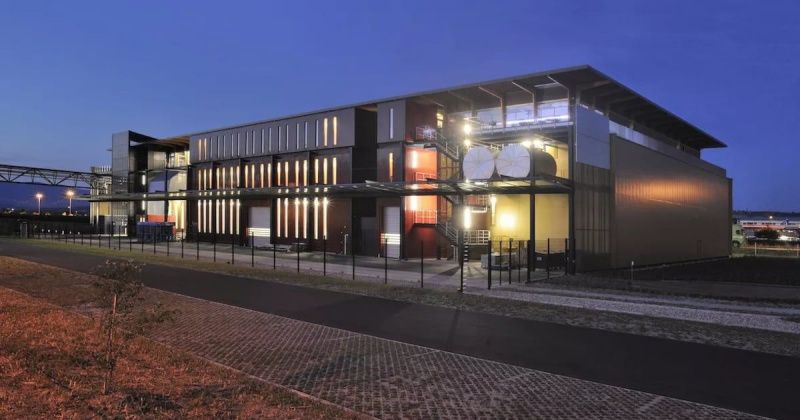
Nestlé says the centre will use knowledge of consumer preferences to guide innovation, improve product quality and make operations more efficient. Chief executive Philipp Navratil described technology as a means of understanding customers and supporting growth, with consumer needs remaining the starting point as the tools change.
Research and development teams will use AI alongside sensors and rapid prototyping to develop ideas and assess them more quickly. On production lines, sensing equipment and robots are intended to improve consistency and productivity while taking on repetitive duties and strenuous physical work. Nestlé says this would give employees more scope to apply specialist skills and creativity. Faster testing and refinement of concepts could also reduce the time required to develop products.
Stefan Palzer, Nestlé’s chief technology officer, said engineering technologies created with major technology partners would help the company respond more quickly to changing customer and business requirements while supplying quality products at competitive costs. He said the centre would translate data collected in laboratories and factories into practical applications. Palzer expects these capabilities to change the company’s development and production processes over time, with AI supporting the provision of personalised nutrition on a large scale.
Potential applications include nutrition advice adapted to individuals, supplement suggestions and beverages formulated for particular preferences. Product recommendations could also change alongside a consumer’s lifestyle and health objectives. In confectionery, information about purchasing and consumption behaviour could inform flavour choices, special-edition ranges and promotions aimed at particular groups. The initiative comes as food and drink businesses increasingly seek to serve customers who want products and services adapted to their individual requirements.
The opening also comes as manufacturers face higher costs for ingredients, energy and labour, and invest in automation, AI and analytical tools to improve productivity. Continuous monitoring and predictive analysis could help identify opportunities to improve factory performance. Across Nestlé’s international operations, incremental improvements could contribute to productivity, quality control and cost management. AI tools could also allow manufacturers to analyse customer information and develop targeted offerings on a larger scale.
The technologies could contribute to Nestlé’s environmental objectives. Sensors and data analysis can help manufacturers locate inefficient processes, cut waste and use resources more effectively. They can also improve the tracking of materials and products through supply networks. These applications form part of the food and beverage industry’s efforts to reduce its environmental footprint.
A complementary role will be played by Nestlé’s technology hub in Shenzhen, China, which was established in March 2019. It will connect teams working to spot promising technologies and bring them into use more quickly. Both sites belong to the company’s wider innovation network, bringing together research, engineering and digital capabilities across its products, brands and regions.






