Mashiro Expands Its Collagen and Placenta Beverage Offerings in Southeast Asia
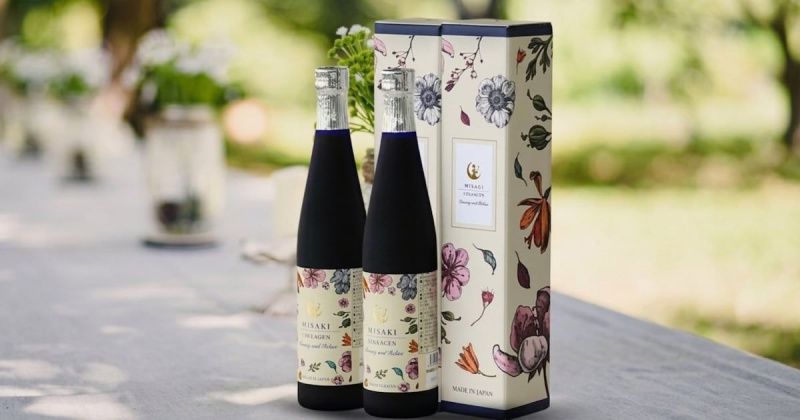
Mashiro, a beauty brand established in 2016, is expanding beyond Japan into Southeast Asia by promoting functional beverages focused on collagen and placenta. This expansion is driven by the increasing demand for beauty-from-within products in the region. The brand's Misaki Collagen drink includes ingredients aimed at supporting skin health and is marketed towards working women in their 30s to 50s.
The Misaki Collagen drink contains 2,000mg of GABA and 120,000mg of fish collagen peptides per 500ml bottle. A daily 20ml dose provides 80mg of GABA and 4,800mg of collagen while also containing hyaluronic acid and elastin peptides. The drink is flavored with Japanese Muscat grapes and incorporates Kumazasa bamboo from Hokkaido, known for its antioxidant properties. Each 500ml bottle is priced at JPY11,000 (approximately USD 69.75) and lasts about 25 days.
Mashiro also offers a placenta collagen range named 82X, which includes a mix of porcine and fish collagen peptides with 82 botanical ingredients, promoting benefits like improved metabolism and gut health. The 82X Sakura Placenta Premium variety includes 450,000mg of porcine placenta, targeting hormonal balance and skin pigmentation issues.
The brand has differentiated its products to appeal to various demographics across Southeast Asia. While premium offerings are packaged to resemble wine bottles, emphasizing luxury and relaxation, more affordable options like the Pink Collagen offer cost-effective access to beauty-from-within solutions.
Mashiro leverages e-commerce platforms such as Amazon, Lazada, and Shopee for regional sales, with local beauty distributors managing fulfillment. The company is also seeking FDA regulatory clearance in the US to strengthen its presence there and currently has a small footprint in Europe. The brand has noted particular popularity of its products in Vietnam and the Philippines.
Market reports suggest that the beauty-from-within sector will continue to grow in Asia-Pacific, with new formats and the modernization of traditional herbs broadening the appeal of such products.






