Kuwait’s Cabinet approves draft decree-law on GCC excise-tax agreement
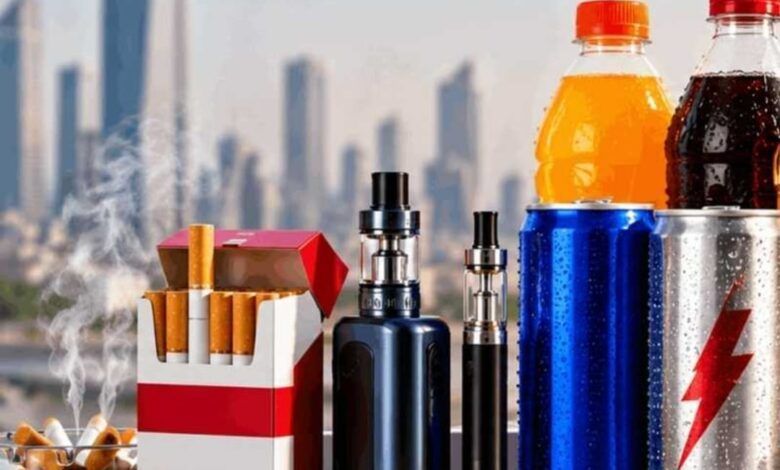
Reports on the proposal put the anticipated excise rate for tobacco products and energy drinks at 100%, with a possible 50% levy on carbonated beverages. The rates Kuwait ultimately applies would depend on completion of the legislative process and subsequent official decisions.
The tobacco category would encompass tobacco and its derivatives. Under the proposed framework, taxing these products is intended both to discourage consumption and to raise public revenue. Other GCC countries have adopted high excise rates on energy drinks as part of policies aimed at changing consumption patterns and supporting public health.
Beverages containing added sugar or other sweeteners would also come within the proposed framework. Their taxation is expected to depend on sugar content, following the applicable GCC rules. Carbonated beverages form a separate category in the proposal, for which reports cite the anticipated 50% rate.
The proposal could influence retail prices across the affected categories. The extent of any price changes would depend on the rates adopted, the method used to calculate the tax and how much of the additional cost businesses pass on to customers.
Importers, producers and distributors would be likely to face compliance obligations under the eventual regulations. These could include classifying products, registering for tax where required, maintaining records and submitting reports. Businesses dealing in taxable goods may need to reassess inventories, pricing and supply-chain arrangements before implementation. The government is expected to issue further guidance on compliance procedures and transitional arrangements as the legislative process progresses.
The GCC agreement provides a shared basis for member countries to levy and collect excise duties. Its objectives include coordinating tax policies, improving oversight of taxable goods and supporting regional economic integration. Kuwait’s proposal forms part of the bloc’s broader efforts to harmonise indirect taxes, discourage consumption of products regarded as harmful to health and diversify government income beyond oil.






