KFC to replace PepsiCo with Coca-Cola at US restaurants in 2027
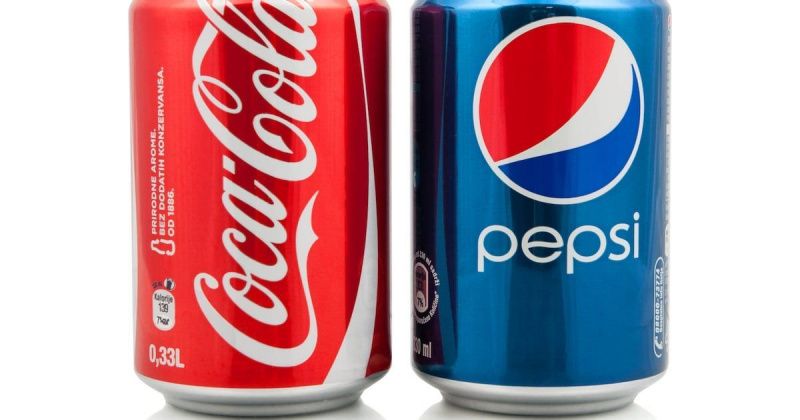
The change ends a US supply relationship dating to 1986, when PepsiCo acquired KFC. PepsiCo will remain the chicken chain’s beverage supplier outside the United States. KFC is changing its American drinks offering as part of a broader effort to recover domestic sales and bring diners back to its restaurants. The chain has presented the Coca-Cola partnership as a way to update its menu, address shifts in customer preferences and attract customers. Tim Harms, chief executive of beverage consultancy Enliven, says the commercial importance of restaurant beverage contracts goes beyond the concentrate revenue they generate or the choice of cola displayed on a menu.
For restaurant operators, Harms says, drinks—and carbonated soft drinks in particular—can rank among the menu’s most profitable products. Some operators depend on that income to keep their businesses open. When selecting a supplier, restaurants weigh financial incentives, rebates and protection against price changes alongside the cost of the drinks themselves. Agreements can also cover dispensing machinery, repairs, promotional assistance and service commitments designed to keep products available. According to Harms, suppliers often provide the equipment, an investment that can reach tens of millions of dollars for a restaurant chain. These arrangements therefore cover both the economics of beverage sales and the practical requirements of serving drinks across an operator’s outlets.
Suppliers also use restaurant contracts to expose customers to their brands, encourage sampling and develop loyalty that extends to purchases elsewhere. Harms cites Dr Pepper, which he describes as a much smaller brand roughly two decades ago, with a particularly strong presence in Texas and Oklahoma. Its expansion into restaurants and other foodservice outlets helped make it better known outside those states, he says. Such distribution also places drinks alongside familiar consumer activities, including restaurant meals, cinema visits and trips to theme parks. Those settings can give customers opportunities to sample beverages they would otherwise be unlikely to buy.
KFC follows several other accounts that have moved between the two beverage groups. Harms identifies Costco, Culver’s, Arby’s and Panda Express as businesses that have moved to Coca-Cola from PepsiCo. Transfers have also gone in the opposite direction: PepsiCo regained Subway in 2024, following almost 21 years with Coca-Cola. Harms says competitors can seek to displace suppliers even in longstanding relationships. PepsiCo’s snack business gives it another element to offer restaurant customers. Its recently renewed agreement with Taco Bell runs for a further ten years and includes tacos carrying the Doritos brand, incorporating products from the Frito-Lay business into the relationship. Harms says PepsiCo uses its snack portfolio to offer partners more than drinks alone.
The companies’ bottling arrangements differ, too. Coca-Cola has transferred much of its bottling business to independent operators, whereas PepsiCo still owns most of its network. Harms says PepsiCo’s structure can make it easier to coordinate packaged beverages across territories. Beyond distribution, he expects suppliers’ ability to develop products across several drinks categories to become more important in winning restaurant contracts. He observes that customers are less inclined to order soda with burgers, tacos or pizza than they were two decades ago. Suppliers are consequently investing in energy drinks, functional beverages and other developing categories to help restaurant partners sell more drinks. McDonald’s agreement with Red Bull for energy drinks, alongside its longstanding Coca-Cola relationship, is one example he gives of an operator seeking a separate supplier for a particular category.
Harms nevertheless sees advantages for large beverage businesses in their distribution reach, scale, pricing and promotional resources. Coca-Cola, PepsiCo and Keurig Dr Pepper are all putting money into functional beverages and product innovation. He expects energy drinks and drinks offering functional benefits to occupy a larger place on quick-service and fast-casual menus. In his assessment, future supply contracts will depend increasingly on which company can develop suitable new offerings, rather than primarily on the competing flagship colas. He says the range of customer requirements means suppliers need to respond flexibly and innovate across categories, rather than offer a single approach for every restaurant partner.
Harms also expects conventional soft drinks to remain part of consumers’ diets for decades. He describes demand as dividing between beverages offering function and those offering indulgence. Diet and zero-sugar versions allow established cola brands to address changing preferences while preserving a familiar flavour. He points to Diet Coke’s growth since 2017 as evidence of continuing demand, saying the brand has expanded year after year. In his view, zero-sugar drinks can combine benefits sought by consumers with the enjoyment associated with drinking Coca-Cola. He expects successful beverage suppliers to maintain portfolios serving both demand for established soft drinks and interest in newer products.