Kerry: Leipzig biotechnology centre speeds enzyme development in its first year
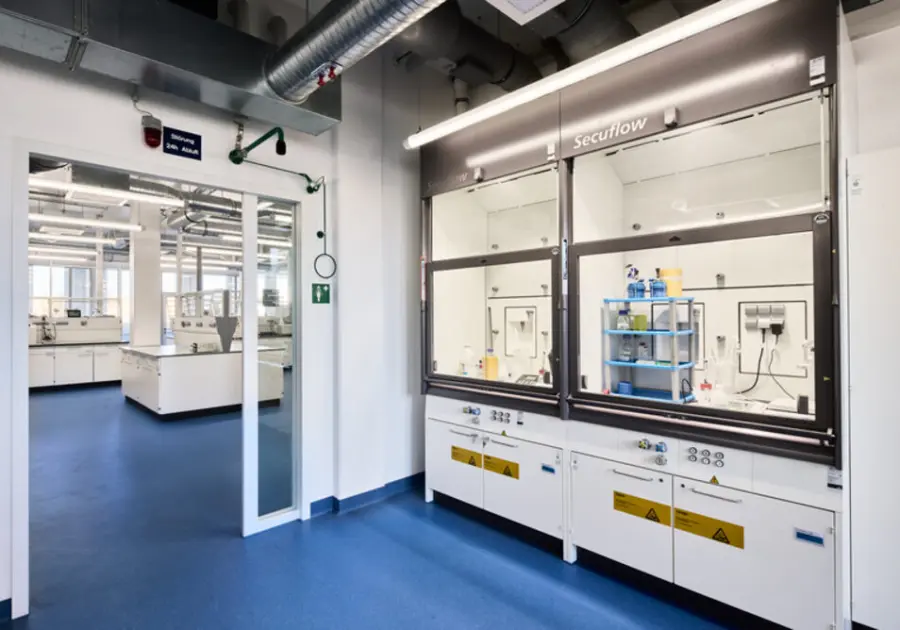
In an update published on October 27th, 2026, Kerry outlined developments spanning enzyme discovery, production methods, pharmaceutical applications and coffee processing. The company is promoting enzymes as tools for product and process innovation as food, drink and biotechnology manufacturers contend with pressure on processing costs, changing safety requirements and sustainability targets. Its Leipzig centre provides scientists across Kerry’s network with facilities covering biological discovery through to production.
The centre’s capabilities include computational analysis of biological data, engineering of enzymes and microbial strains, machine learning and AI-based modelling. It also houses equipment for fermentation, bioprocess development and the transition to larger-scale production. Kerry says bringing these activities together facilitates technical exchanges between scientists and reduces development times. Ronan Moloney, Kerry’s vice-president for enzymes, said the integrated approach helps the company translate biological research into commercially viable products addressing customers’ formulation and sustainability requirements.
Among the first-year milestones, Kerry’s Leipzig team produced enzymes using filamentous fungal cultures for the first time. Automated screening covered 17,500 enzymes to identify suitable candidates. The company also moved ENESYZ, its proprietary discovery platform, to cloud infrastructure, making advanced discovery capabilities available across its international sites. The platform draws on next-generation sequencing, artificial intelligence and directed evolution assisted by machine learning. According to Moloney, combining ENESYZ with the Leipzig facilities allows Kerry to map enzyme sequences more quickly.
In biopharmaceutical applications, Kerry introduced CellTrypase, the first product development to emerge directly from the new centre. Another product, Denarase High Salt, was dispatched to 108 sites for customer testing. Moloney described a change in the industry’s view of enzymes, saying manufacturers increasingly regard them as tools for innovation that can help address market pressures while maintaining product taste and quality.
For coffee processing, Acrylerase received a favourable scientific opinion on safety from the European Food Safety Authority. Kerry describes the product as a novel amidase enzyme and markets it for reducing acrylamide in instant coffee and coffee substitutes. According to the company, it can be incorporated into existing processes without affecting either production yield or taste.
The Leipzig facility also hosted more than 400 visitors from outside Kerry during five major industry events in its opening year. Kerry says it plans to continue working with customers worldwide through its biotechnology network to develop solutions jointly. The company places that work in the context of evolving regulatory frameworks and increasing demand for processes and products that use resources efficiently and meet sustainability requirements.






