Functional Beverages Surge as Grocery Industry Seizes New Opportunities
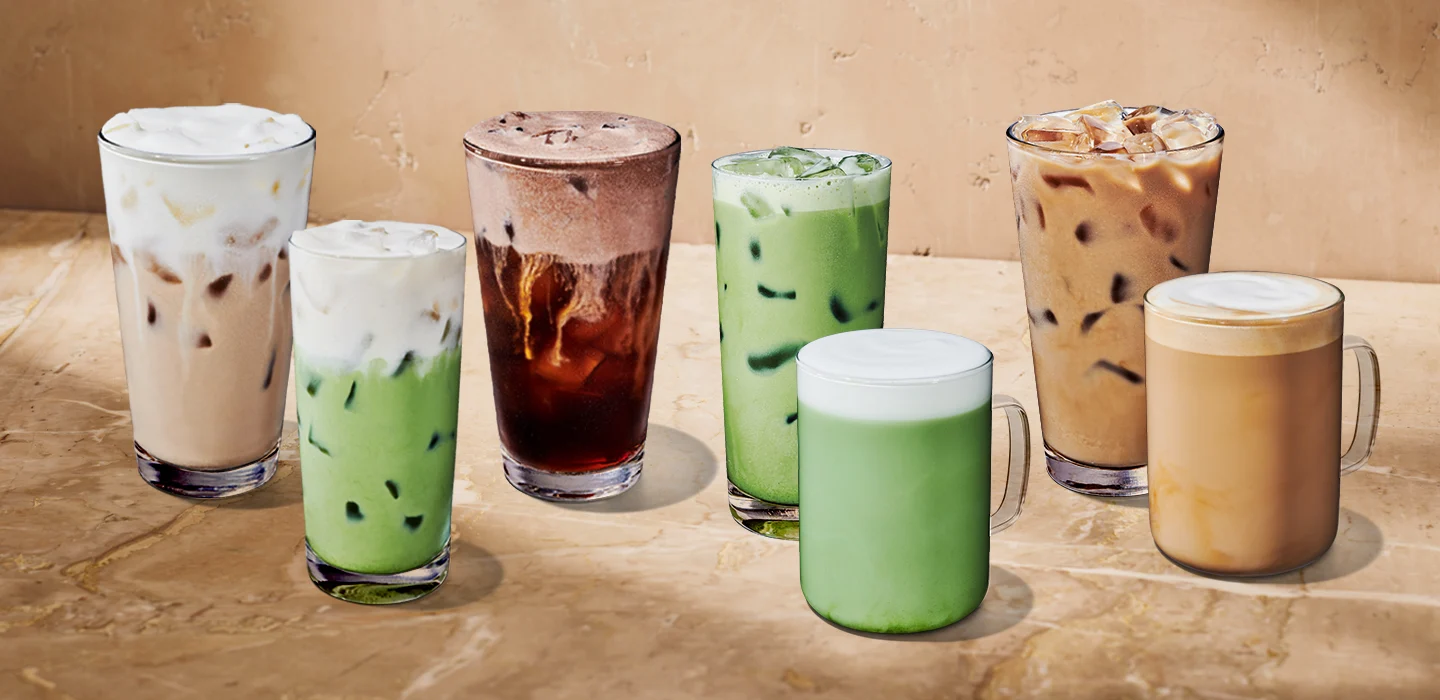
Functional beverages, which offer more than just refreshment, are gaining popularity among health-conscious consumers. These beverages include protein coffee, prebiotic sodas, CBD drinks, and adaptogen-infused options, all of which aim to support energy, gut health, relaxation, or nutrition. The shift in consumer preference is particularly prominent among younger generations, with 80% of Gen Z and 75% of millennials consuming functional beverages regularly, according to EY's Consumer Beverage Survey. Furthermore, over half of US consumers expressed a willingness to pay a premium for drinks that align with their health and wellness goals.
Leading companies in the food and beverage sector are responding to this trend by expanding their product lines. Starbucks, for instance, has introduced protein cold foam in the UK and EMEA, allowing customers to add 15g of protein to their drinks. This move reflects a broader change in consumer attitudes, where beverages are increasingly seen as part of a daily wellness routine rather than an occasional indulgence.
Investment in the functional beverage sector is significant, with major FMCG companies entering the market. PepsiCo's acquisition of the prebiotic soda brand Poppi for $1.95 billion and Coca-Cola's entry into the prebiotic soda market with Simply Pop exemplify the industry's commitment to this growing category. Danone has also reinforced its position in functional nutrition by acquiring the UK-founded meal replacement brand Huel.
The rise of functional drinks presents both opportunities and challenges for grocery retailers. While the category promises higher margins and appeals to younger, trend-driven consumers, it also requires careful management of product ranges. Retailers must navigate the complexities of products that blur the lines between soft drinks, supplements, protein shakes, meal replacements, and wellness products. Additionally, they face increased scrutiny regarding health claims, as demonstrated by the Advertising Standards Authority's ban on an advert from TRIP for overstated health benefits.
To capitalize on this trend, retailers must ensure that functional claims are clear, compliant, and credible. The potential rewards include a more valuable drinks category that resonates with younger shoppers and aligns with social media trends. However, success hinges on more than merely expanding product offerings; it requires strategic decisions about product placement, merchandising, and the credibility of health claims.






