Danone opens 5,200-square-metre research centre in Shanghai
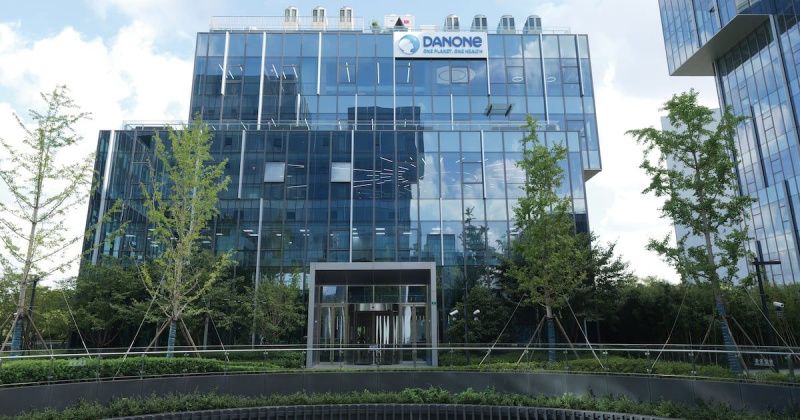
The centre houses a 900-square-metre OneBiome Lab, the third in Danone’s network after facilities in Paris-Saclay and Singapore. Its equipment enables researchers to extract and analyse bacterial DNA to characterise gut microbiomes. The Shanghai facility also contains a pilot plant covering 700 square metres and a 300-square-metre hub for science experiences and consumer engagement.
Isabelle Esser, Danone’s chief research, innovation, quality and food safety officer, told NutraIngredients that the company wanted to connect its knowledge of the gut microbiome with nutrition for healthy longevity and the early stages of life. She identified gut health and biotics as important areas of scientific investment. According to Esser, microbiome profiles vary with age, health, surroundings and lifestyle, while illness, stress, sleep and diet can alter them. Given the microbiome’s links to immunity and metabolism, Danone is studying ways to maintain, restore or rebalance it.
Danone’s research activities in China preceded the Shanghai opening. Three years earlier, it established an innovation centre with Qingdao University to study the gut microbiome across life stages. Its recent healthy-ageing launches include Ganmai, a range intended for consumption at different points during the day. Among those products is a drink made from probiotic fibre powder for gut and immune health. Esser described China as being at the forefront of health and healthspan, with maintaining health in older age deeply embedded in its culture.
For early-life nutrition, the Shanghai centre will extend Danone’s work in China on the composition of breast milk and the effects of infant-formula composition on babies’ gut microbiomes. The company aims to develop nutritional products that more closely resemble human milk. Esser said studies involving Chinese mothers and their milk formed part of its efforts to bring formula closer to breast milk and support healthy infant growth.
Aptamil, Danone’s formula brand, is among China’s leading infant-formula brands, alongside the domestic brand Feihe. The company intends to use the new centre to identify further opportunities for innovation in early-life nutrition. Taous Lassel, whose responsibilities include research and innovation for Asia-Pacific and China and global R&I digital and AI, said researchers wanted to establish which subjects required further study to help future products more closely approximate breast milk.
The consumer-engagement hub is intended to turn insights into consumers’ needs into ideas for nutritional products and packaging. Other capabilities at the centre include sensory evaluation, prototype development and work on digital health services, bringing several research and development functions together. Danone’s existing digital tools include trackers for stools, iron and growth that were developed in Singapore.






