Coca-Cola in Glass Bottles Finds Favor Among Hong Kong Drinkers
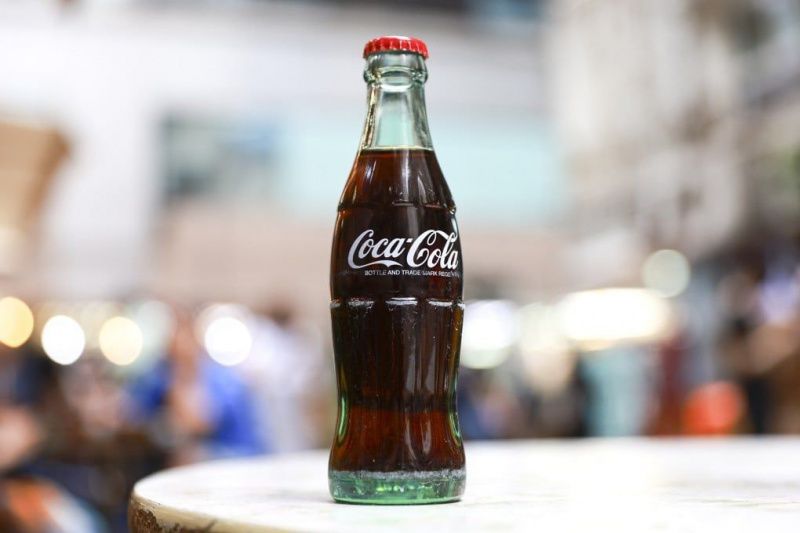
In Hong Kong, the preference for Coca-Cola in glass bottles over cans or plastic bottles is a widely accepted belief. This sentiment is often attributed to cultural nostalgia, particularly associated with the dai pai dong, the traditional open-air food stalls. These stalls historically chilled glass-bottled sodas in heavy-duty freezers, and the glass's thermal properties helped maintain a cooler beverage for longer periods, enhancing the dining experience with hot local dishes.
Cecilia Wong, a television host and critic, and Yu Yat-yiu, a writer, both note the deep-seated belief in the superior taste of glass-bottled Coke. Caness Chan from Swire Coca-Cola Hong Kong explains that glass not only maintains carbonation better but its chemical inertness also ensures an unaltered flavor, unlike aluminium or plastic which may subtly alter taste due to their reactive properties.
Scientific insights from food chemist Dr. Sara Risch support these claims, highlighting how polymer linings in cans and slightly permeable plastics can impact the soda's taste and fizz. Glass, contrary to these materials, preserves the original flavor because it doesn’t interact with or alter the beverage.
Swire has held the Coca-Cola franchise in Hong Kong since 1965, originally tying its production to local sugar refinement through its Taikoo Sugar operations. While fan theories about the use of molasses in Hong Kong’s Coca-Cola abound, Swire’s Chan confirms that the proprietary formula remains consistent across different packaging materials.
This distinctive market preference parallels instances in other regions where differences in sugar types, such as cane sugar vs. high-fructose corn syrup, impact consumer tastes. The recent introduction of a cane sugar-based Coke in the U.S. is an example of manufacturers catering to these regional preferences. Ultimately, the best enjoyment of Coca-Cola often comes down to its pairing with meals, a fact universally acknowledged among its drinkers.






