Coca-Cola Generates $3.6 Billion Economic Impact in COMESA
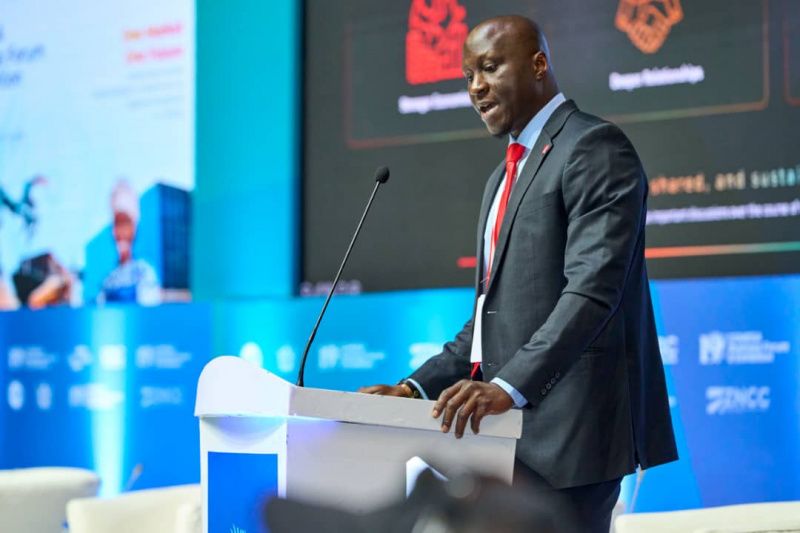
Coca-Cola's economic influence in the Common Market for Eastern and Southern Africa (COMESA) was quantified at $3.6 billion in value-added economic activity in the year 2024, according to research presented in Harare. This study was conducted by the consultancy Steward Redqueen and discussed at the 19th COMESA Business Forum on October 20, 2026.
The company and its value chain were responsible for supporting more than 458,200 direct and indirect jobs across several sectors, including agriculture, manufacturing, retail, transport, and services. Coca-Cola spent almost $1.5 billion on goods and services from suppliers in member countries, which the company claims bolsters local industry and economic stability.
The study highlighted that Coca-Cola’s contributions to the region represented 0.3% of COMESA's total gross domestic product. Of particular interest was the report’s multiplier effect: for every job directly created by the company, an additional 28 jobs are supported in the broader economy.
Company executives presented these findings as evidence of a partnership model rather than merely a commercial achievement. Alfred Olajide, Coca-Cola's vice president for East and Central Africa, described the business system as 'a critical economic engine' for the region. Meanwhile, Luis Felipe Avellar, president of its Africa Operating Unit, emphasized the importance of business involvement in sustainable development.
The research employed a Multi-Regional Input-Output model to assess the ripple effects of the company’s spending, which benefited sectors such as sugar production, manufacturing, packaging, and logistics. Additionally, Coca-Cola highlighted its Africa Water Stewardship Initiative, a program with a budget nearing $25 million aimed at addressing water challenges in 20 African countries by 2030.
It is important to note that the study was commissioned by Coca-Cola, and the findings have not been independently verified by other available resources.






