Challenges and Opportunities in Funding F&B Supply Chain Resilience
The food and beverage (F&B) supply chain is currently facing numerous challenges, impacting both operational and financial resilience. Recent data highlights significant financial distress among UK F&B businesses, with 6,705 companies experiencing 'significant' distress and 800 in 'critical' distress as of Q4 2025, according to BTG's 'Red Flag Alert'. Distilleries, breweries, and bakeries were notably affected.
In 2025, the UK saw 463 liquidations among F&B companies, an increase of 61.9% compared to 2019. However, this was a 14.1% decrease from 2024, indicating a slight improvement. The number of administrations or businesses rescued from administration rose by 20.5% compared to 2019, suggesting a level of confidence in turning around distressed assets with appropriate support.
Larger business groups in the F&B sector appear better equipped to handle rising costs through innovation and investment. These businesses are actively acquiring smaller distressed firms, thus preserving jobs and positioning themselves for potential future economic recovery.
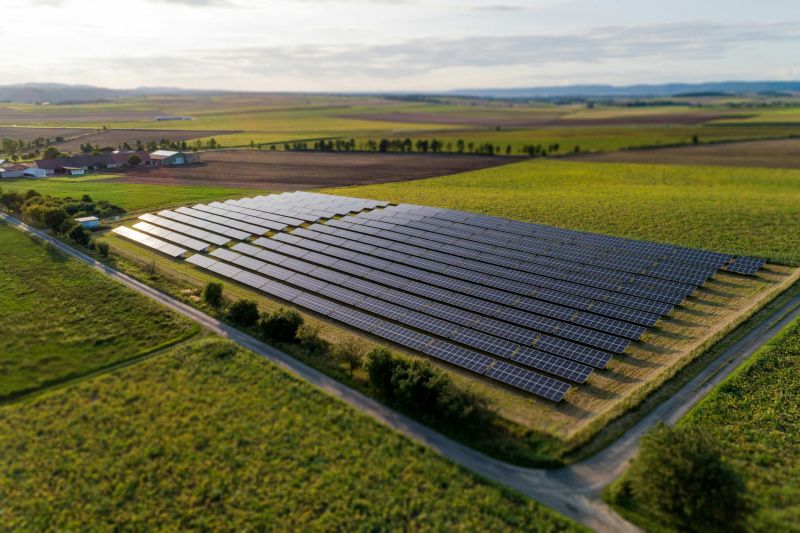
Energy resilience has become a critical focus, with many F&B businesses exploring on-site energy generation and storage due to fluctuating energy costs exacerbated by geopolitical conflicts. Notably, solar and battery projects have seen a sharp increase in planning approvals. In 2025, 7.78 GW of solar projects were approved, alongside 475 battery projects, marking a significant rise in potential energy generation capacity.
The growing trend towards renewable energy installations reflects both eased planning barriers and a strategic shift by companies to manage energy costs and ensure a reliable supply. This is particularly relevant for energy-intensive sectors like F&B manufacturing, where rooftop and car park solar installations are becoming more common.
Lenders have increasingly supported solar projects, providing more credit options for companies to finance these initiatives. Such investments in solar installations are considered stable, offering long-term cost reductions and contributing to business stability amid volatile energy markets.
Overall, while the F&B supply chain faces ongoing challenges, strategic measures such as energy investment, acquisitions, and financial restructuring are helping businesses build resilience and prepare for future growth opportunities.






