Challenges and Innovations in Reducing Hidden Plastics in Beverage Packaging
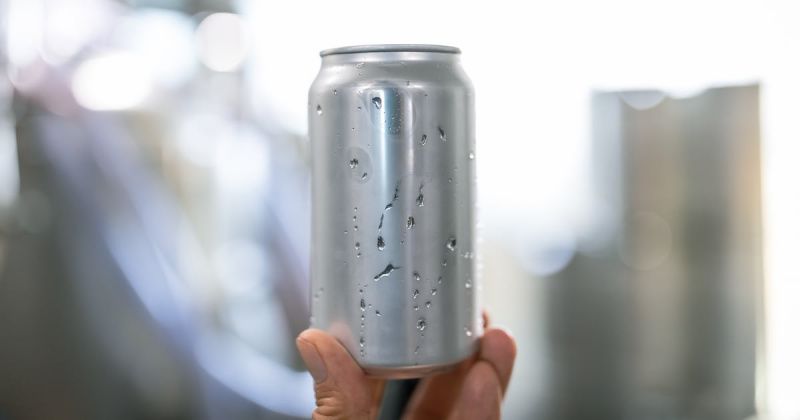
Hidden plastics are prevalent in beverage packaging, often used as inner layers in cans, cartons, and pouches that appear plastic-free. These layers, which are critical for durability and shelf life, pose significant recycling challenges. According to the Carton Council of Canada, cartons can contain 20-22% polyethylene. This prevalence raises concerns among consumers, 91% of whom are worried about plastic waste, according to the UN.
Sian Sutherland, co-founder of A Plastic Planet, highlights that many consumers are unaware of the plastic lining in drink cans and cartons marketed as sustainable. This misleads consumers into believing they are reducing their plastic consumption. Composite packaging, combining plastic with paper and aluminum, often complicates recycling processes due to tightly bonded layers.
Health concerns also drive the push for alternatives. Microplastics and associated chemicals have been detected in the human body, raising questions about their impact on health. Regulatory measures have targeted chemicals like Bisphenol A (BPA), known to disrupt the endocrine system. The European Food Safety Authority has banned BPA in can linings, with companies required to comply by January 2028.
The drinks sector faces challenges in finding alternatives that match the functional benefits of plastic. These plastic layers serve as protective barriers, and transitioning requires extensive testing and approval. Krassimira Kazashka of Metal Packaging Europe notes the complexity of developing new coatings that meet safety and performance standards.
Despite these challenges, innovations are emerging. Tetra Pak has developed a paper-based barrier technology, increasing renewable content to 92% and reducing the carbon footprint by 43%. In Japan and Scandinavia, investments in fibre-based packaging aim to reduce plastic use. Companies like Notpla and Pulpex are reimagining packaging formats, using seaweed coatings and paper bottles, respectively.
Sutherland acknowledges that eliminating hidden plastics in drinks packaging will take time, but believes that shifting investment and regulation can drive significant change. The momentum towards better systems and materials can lead to rapid behavioral shifts once infrastructure and incentives align.






