Brands Adjust Strategies as Functional Beverages Gain Popularity
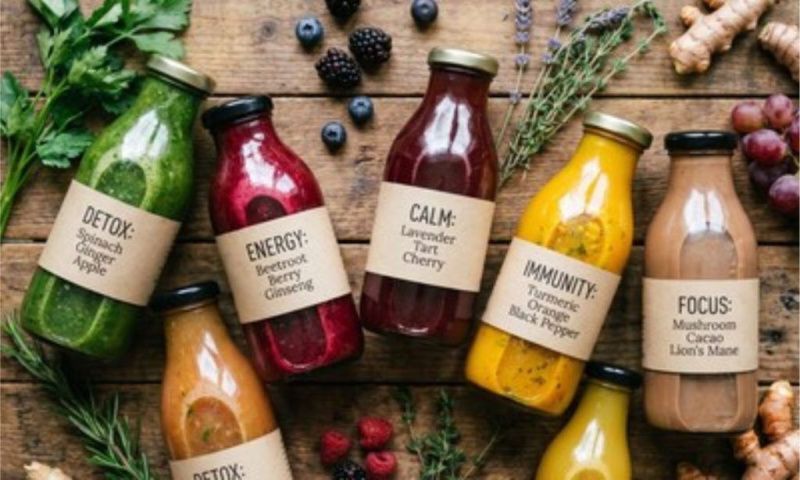
Consumer interest in beverages that offer specific health benefits, such as hydration, digestion support, and energy, is reshaping product development strategies. According to EY’s Consumer Beverage Survey 2026, 97% of American consumers have embraced health and wellness routines in the past two years. This trend is influencing how companies, such as PepsiCo, design their products, focusing on consumer-desired benefits before applying scientific methods to meet these preferences.
In the United Kingdom, functional juice shots have reached £100 million in sales by May 2026. These drinks, often containing ingredients like ginger and turmeric, are popular for their targeted benefits. In the Asia-Pacific region, brands are integrating plant-based and Ayurveda-inspired formulations into their products.
Functional beverages cater to various consumer needs. Some customers look for hydration solutions, while others are interested in protein for muscle maintenance or products that support digestive health. The market for gut-health drinks and functional shots remains robust, with electrolyte powders now extending beyond traditional sports uses to attract consumers concerned with sugar and flavor levels.
Relaxation and stress-reduction drinks are a growing segment, with Innova Market Insights reporting a 19% annual growth rate, aligning with the popularity of gut-health drinks. Products like sparkling waters containing magnesium offer a combination of familiar formats and calming minerals. Cognitive and focus-enhancing beverages with nootropics and adaptogens are also increasingly available as alternatives to standard energy drinks.
Regulatory bodies are scrutinizing functional claims closely. In the European Union, such claims need scientific authorization and are regulated as health claims. The European Commission and the European Food Safety Authority (EFSA) have received approximately 44,000 claims since 2008, but only 16 changes have been authorized since the approved list was published in 2012.
In the United States, the FDA requires health claims to be backed by substantial scientific evidence, prohibiting any suggestion that beverages treat or prevent diseases. The UK's Competition and Markets Authority can fine companies up to 10% of their global turnover for misleading claims. Simon Barker from Freeths emphasized the importance of scientific substantiation in line with regulatory standards, a sentiment echoed by Vhari Russell of Food Marketing Experts, who advocates for transparency in claims about ingredients and their dosages.






