Biotechnology Reshapes Citrus Innovation in the Food Industry
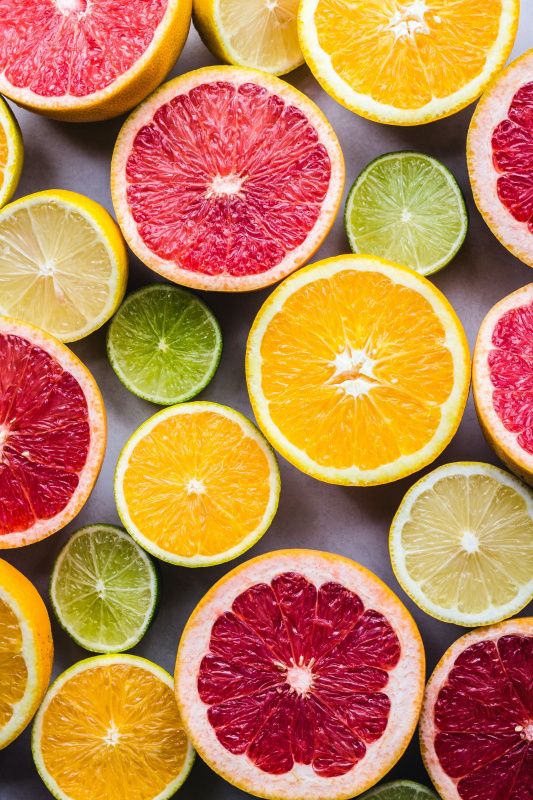
A significant shift in the citrus industry is underway, driven by advancements in biotechnology, precision agriculture, and flavour science. The result is a new landscape where traditional citrus fruits, like oranges and lemons, coexist with a variety of hybrid species, showcasing unique flavour profiles and enhancing product innovations.
Agricultural Challenges and Biotechnology
The need for innovation in citrus production stems from mounting agricultural pressures such as climate change, water scarcity, disease outbreaks, and supply chain disruptions. A significant concern is Huanglongbing (HLB), or citrus greening disease, which affects citrus yield and quality. In response, technological investments are being made in advanced breeding and biotechnology to improve crop resilience and flavour consistency.
Heather West from IFF highlights the importance of these advancements, stating that tools like genomic selection and gene editing are allowing for faster and more precise development of citrus hybrids, combining disease tolerance with desirable flavour traits.
The Role of Hybrid Varieties
Hybrid citrus fruits have been around for decades, but biotechnology is accelerating their development and commercial potential. Techniques like genomic sequencing and precision phenotyping are creating hybrids designed for specific sensory outcomes, contributing to a diverse range of flavour experiences. Varieties such as yuzu-lime hybrids and blood orange-mandarin combinations are attracting attention for their complex flavour profiles.
According to Briony Rideout from I.T.S., these advances allow product developers to create distinctive citrus profiles that inspire new products in the food and beverage market.
Flavour Complexity and Market Trends
Brands are increasingly interested in citrus flavours that go beyond traditional profiles. Chris Randles from JPL notes a growing demand for unique citrus varieties like yuzu and calamansi, which offer nuanced flavour experiences. Flavour houses are utilizing these profiles to inspire new products rather than replicate the fruits directly.
This trend is particularly prominent in the beverage industry, where hybrid citrus flavours appear in premium products, including sparkling waters and energy drinks, aligning well with health, hydration, and wellness trends.
Ingredient-Level Innovation
Biotechnology is also impacting citrus at the ingredient level. Véronique van Zyl from Lallemand explains that biotechnology helps provide consistent access to key citrus flavour molecules via fermentation-based approaches, offering supply stability despite climate volatility.
This shift toward biotechnically derived flavour ingredients reflects a broader industry trend toward robustness in supply chains and flexibility in formulation.
Wellness and Global Influence
The association of citrus with wellness benefits like vitamin C and immunity support is enhancing its presence in functional products. Hybrid varieties offer distinct profiles aligning with health-conscious trends. Globally inspired citrus flavours are rising in popularity, contributing to the diversity of products available in the market.
As biotechnology continues to evolve, the citrus industry is expected to expand further, offering more innovative and diverse flavour options grounded in scientific advancements.






