Bananas in Smoothies May Affect Flavanol Absorption in Cyclists
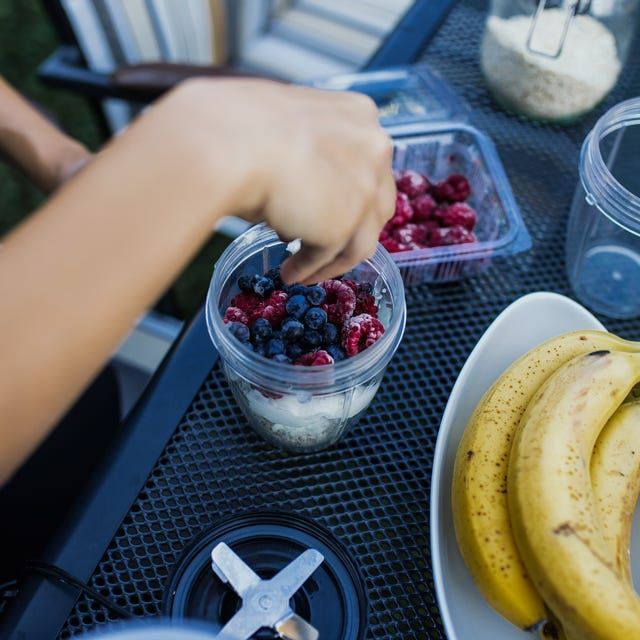
Recent studies conducted by researchers at UC Davis have highlighted an intriguing finding regarding the consumption of bananas in smoothies, particularly for endurance athletes. The research, focusing on the interaction between bananas and flavanol-rich foods, suggests that bananas may significantly impede the absorption of flavanols, which are plant compounds known for their cardiovascular benefits.
Flavanols, found in foods such as berries, grapes, cocoa, and tea, are associated with improved aerobic performance and recovery. For athletes, especially cyclists, these compounds could potentially boost performance and aid in recovery post-exercise. However, the presence of polyphenol oxidase (PPO) in bananas, an enzyme naturally occurring in the fruit, has been observed to interact with flavanols, thereby reducing their bioavailability.
Despite these findings, bananas are not to be dismissed entirely from athletes' diets. They are a source of quick-digesting carbohydrates and potassium, and they contribute a creamy texture that is often desirable in pre- or post-ride drinks. The study suggests that if the goal is to maximize flavanol intake, it may be beneficial to opt for smoothie ingredients with lower PPO levels, such as berries, yogurt, or other fruits like mango and pineapple.
It is important to note that this was a small-scale study, and the results are not conclusive for all cyclists. Individual digestion, overall diet quality, and the athlete's training load play critical roles in nutrition strategies. Therefore, while the findings provide insights, they should be considered as part of a broader nutritional approach.
Cyclists might consider using banana-based smoothies when they need quick energy, while choosing berry-based smoothies without bananas when they aim to preserve more flavanols. This approach allows for flexibility and personalization in dietary choices, ensuring that athletes can benefit from both energy and nutritional value.






