Avebe: 1% ETENIA can replace 3% milk fat in dairy formulations
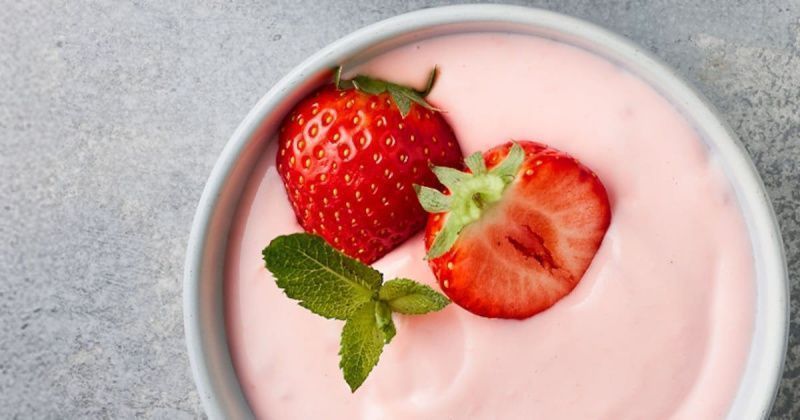
Meleknur Tüzün, Avebe’s global segment manager for dairy, said laboratory work indicated that adding ETENIA at 1% could replace milk fat at 3%, milk protein at 1% or gelatin at 0.5% in dairy recipes. She presented the findings in the context of manufacturers’ efforts to contain ingredient expenditure, simplify ingredient declarations and maintain texture. According to Tüzün, consumers want yogurt to offer both indulgence and health attributes, but may reject watery, grainy or overly gelled textures. She cited the expense and price volatility of milk fat, alongside changing costs for butter, cream and milk, as challenges for producers.
Avebe describes ETENIA as an ingredient made exclusively from potato starch, with a neutral taste and a packaging declaration of potato starch. Its functions include behaviour similar to hydrocolloids and the ability to form a reversible gel: the structure melts when heated and returns as the product cools, retaining its texture characteristics. Tüzün said conventional hydrocolloids and modified starches can involve technical names or E-numbers that consumers associate with artificial ingredients. They may also need closely managed processing conditions or thicken and gel too early. She said ETENIA could deliver comparable or better functionality without triggering allergen-labelling requirements.
In one laboratory comparison, a fat-free Greek-style yogurt made with 1.5% ETENIA achieved nearly double the creaminess of a commercial fat-free yogurt. A separate trial used Greek-style yogurt with 4% fat and 1.5% ETENIA; it received higher creaminess scores than commercial products with fat contents of 5% and 10%. Tüzün described smoothness and creaminess as important to enjoyment and said consumers were reluctant to accept alterations in dairy texture. According to Avebe, the ingredient reproduces the oral behaviour of milk fat, creates a creamy sensation without unwanted flavours and helps yogurt retain a bright white appearance.
The company commissioned an independent consultant to compare the environmental profiles of recipes delivering equivalent textures. Tüzün said the assessment found a smaller total carbon footprint for yogurt containing ETENIA than for formulations containing gelatin. Cream-cheese-type recipes using the ingredient also had a lower footprint than those using milk protein. Avebe links these findings to its work on replacing formulation components while retaining the sensory characteristics sought by manufacturers.
Avebe also attributes reduced syneresis to the ingredient’s capacity to bind water and form gels. Syneresis can leave visible liquid on yogurt and prompt complaints, product waste or reprocessing, even when the food is safe and the problem is cosmetic. The company says improved moisture retention supports a consistent appearance as a product is consumed. It associates less liquid separation and more predictable manufacturing with lower waste and fewer batches needing rework. Tüzün said small textural differences can influence repeat purchases, while a fuller mouthfeel increases overall liking scores.
According to Avebe, texture typically develops over the 12–24 hours following cooling. Tüzün said this later setting reduces the risk of early thickening and equipment blockages, enabling use in dairy processes involving high temperatures. Manufacturers can vary inclusion rates and processing conditions to produce firm yogurt, creamy Greek-style yogurt or spreadable cream cheese. Avebe also identifies stirred, set and drinkable yogurts, puddings and other desserts as applications. Its formulation and preparation tools help manufacturers choose dosages and achieve consistency across products and production methods. Tüzün said the development work addresses creaminess, mouthfeel and the required finished texture.






