Aseptic Processing Redefines Fresh Dairy in the United States
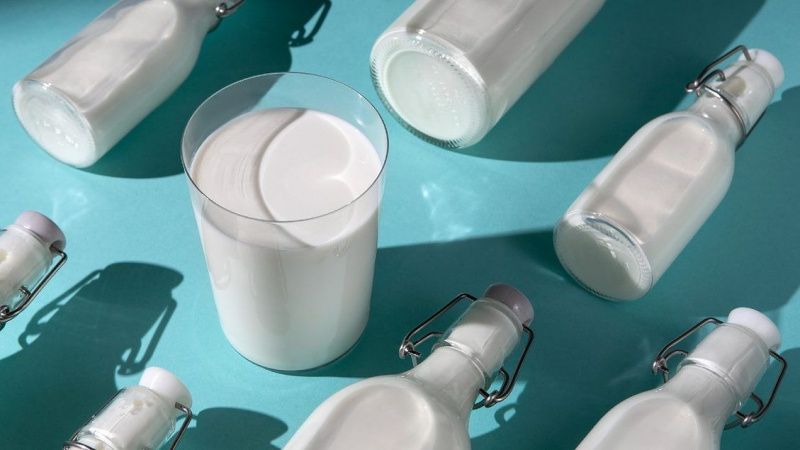
Aseptic processing is gaining prominence as a method for producing shelf-stable dairy products in the United States. This technique involves ultra-high-temperature (UHT) processing, where dairy products are heated to temperatures between 280°F and 302°F for just 2 to 3 seconds. The purpose is to eliminate harmful bacteria and spores while preserving essential proteins and nutrients. This process results in a sterile product that can be stored at room temperature without compromising safety or quality.
The Benefits of Aseptic Processing
One major advantage of aseptic processing is the ability to produce dairy beverages that do not require continuous refrigeration, thus eliminating the costly and complex cold chain logistics typically associated with traditional pasteurized products. This can significantly reduce the risk of spoilage during transport, offering both economic and quality benefits to manufacturers.
The demand for shelf-stable, ready-to-drink dairy and protein beverages is on the rise. According to a CoBank report, there has been a 74% increase in sales of such products over the last four years. This trend indicates a growing market for aseptically processed beverages, which are increasingly seen as a convenient, nutritious option for consumers.
Consumer Perception and Industry Response
Despite its advantages, aseptic processing faces challenges in consumer perception. Many consumers equate cold storage with freshness, which can lead to skepticism about dairy products that do not require refrigeration. To address this, some manufacturers place aseptic products in refrigerated sections to meet consumer expectations, even though these products do not need cold storage for preservation.
Producers have the flexibility to choose between UHT aseptic processing and traditional pasteurization, accommodating different product formulations and packaging requirements. Companies like JBT Marel offer solutions for both processes, supporting the diverse needs of dairy beverage producers.
Overall, the concept of freshness is being redefined. It's not solely about temperature but also encompasses food safety, quality, and maintaining taste and texture. Aseptic processing offers an opportunity to rethink what constitutes fresh dairy, meeting the demand for products that are convenient, safe, and extend shelf life.






