Almond Hulls Gain Recognition as Functional Food Ingredient
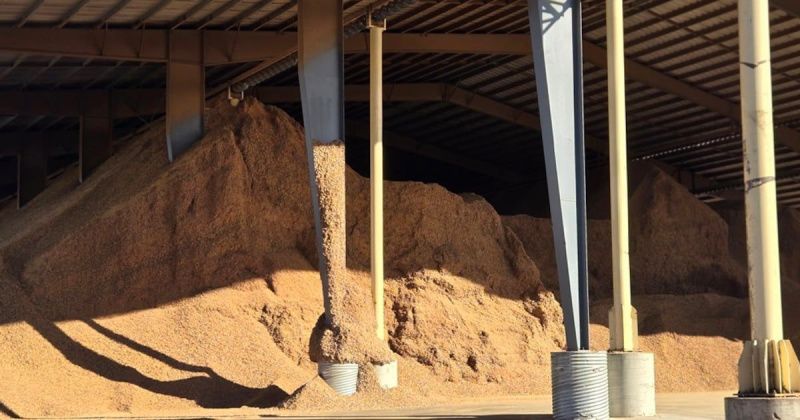
Almond hulls, previously relegated to uses such as animal bedding and garden mulch, are now poised to become a significant player in the functional food market. This development follows an independent expert panel's determination that almond hull powder is Generally Recognized As Safe (GRAS). The Almond Board of California (ABC), led by Guangwei Huang, has compiled a 180-page dossier detailing the production, health benefits, and safety of almond hull powder, which was submitted to the FDA earlier this year.
Although the FDA does not require GRAS notifications, this status allows almond hull powder to be marketed as a functional ingredient. According to ABC, almond hull powder can be incorporated into a variety of foods, including baked goods, cereals, and nutritional products. However, they emphasize that it will not replace almonds on store shelves but offer a new high-value ingredient option.
The health benefits of almond hull powder are attributed to its high phytochemical content. Over 5% of the hull's dry weight consists of phytochemicals like chlorogenic acid, catechins, and flavonoids, which possess anti-inflammatory and antimicrobial properties. Laboratory studies suggest they may improve antioxidant activity, metabolic health, and cholesterol management, though more human studies are needed.
Almond hull powder is also rich in fiber, addressing a common deficiency in American diets. Products using almond hull powder show significantly higher fiber content, as evidenced by a protein bar prototype developed by food innovation firm Mattson, which contained more than double the fiber of conventional bars. Additionally, bread with 5.2% almond hull flour met the FDA's “good source of fiber” criteria.
The powder's natural sugar content allows for reduced added sugars in products while maintaining sweetness and functional properties such as browning. This makes it a suitable replacement in bakery products. Its flavor profile, described as mildly bitter with fruity vanilla notes, complements coffee products, with research indicating that up to 20% of coffee can be replaced by almond hull powder.
Commercial production of food-grade almond hull powder is in its nascent stages, but existing almond processing equipment can already produce it, minimizing the need for new investments. The hulls' antioxidant content ensures shelf stability if moisture levels are kept below 12%. The future adoption by food manufacturers will determine its mainstream success, but with regulatory and processing frameworks in place, the industry is prepared for potential demand.






