Sparkling-drink brands use fruit juice and honey for low-sugar recipes
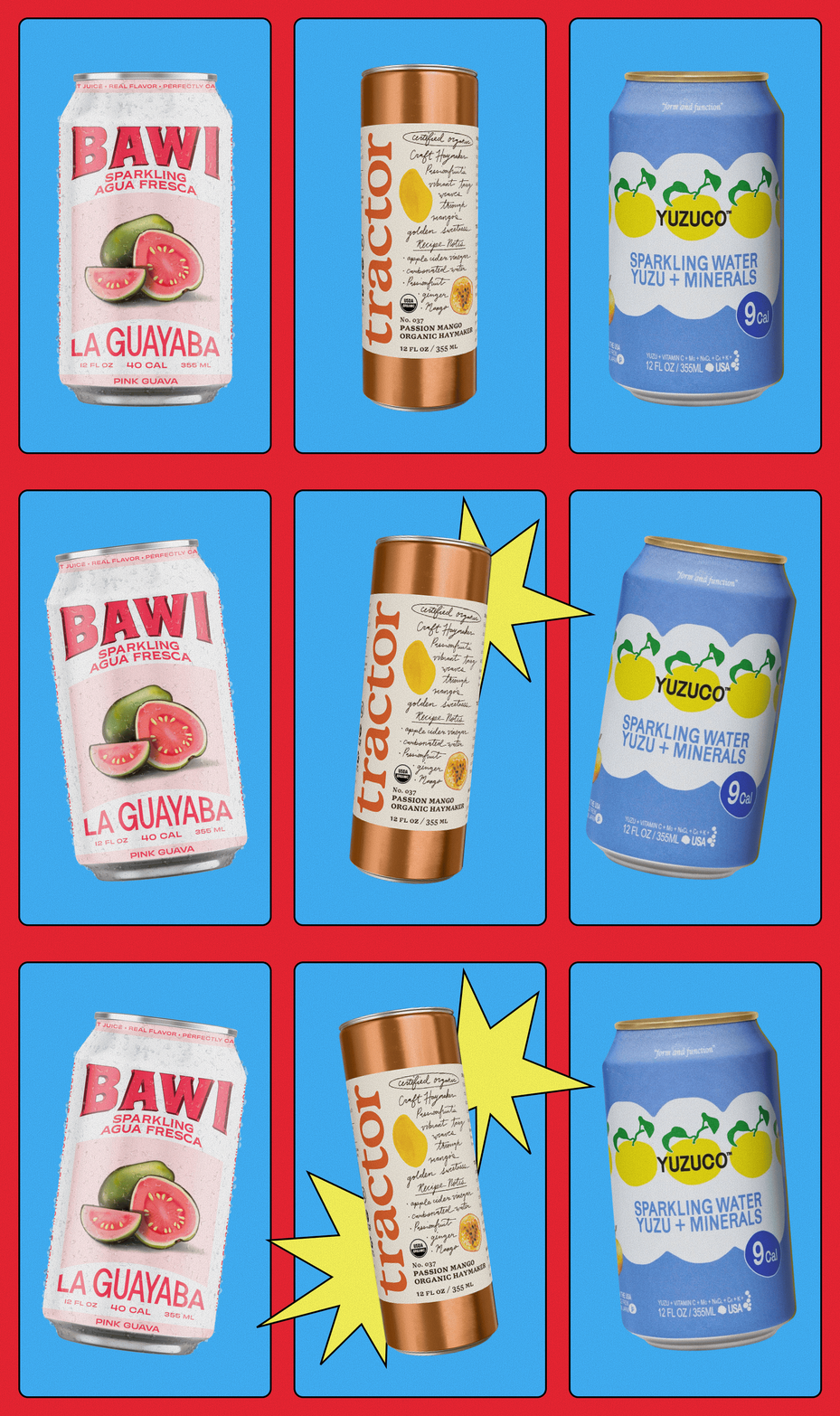
Yuzuco’s new canned sparkling range contains water, cold-pressed yuzu juice and functional minerals. Each drink has 9 calories and 1 gram of sugar, supplied naturally by the juice. Yuzu, a Japanese citrus fruit, features throughout the company’s product portfolio. Cofounders Griffin Owens and Marcus Klein describe demand for recognisable ingredients used in moderate amounts, rather than recipes built around excluding sugar, calories and carbohydrates.
Klein says the discussion about drinks marketed as healthier options has shifted towards their contents. He describes an earlier emphasis on delivering flavour while eliminating sugar, calories and carbohydrates. According to Yuzuco’s consumer research, shoppers prefer ingredients they can identify immediately. Owens also reports fatigue with monk fruit and stevia. He says customers ask about the quantity of actual yuzu juice, the fruit’s origin and the honey used, with some questions extending to the particular islands where the citrus is grown.
Bawi makes carbonated versions of agua fresca, the traditional Mexican beverage, using real fruit juices. Its flavours include passion fruit, pineapple and guava; the products featured in the article include La Guayaba Agua Fresca. Walker Brothers takes a botanical approach with its Forest Waters. The drinks contain wild-harvested ingredients including pine bark, calendula and juniper leaf, with a small amount of wildflower honey providing sweetness.
Tractor Beverage Co. introduced Haymaker earlier in the year covered by the article. The canned drink is the company’s version of switchel, a farmers’ tonic with a history stretching back centuries. Ginger and apple-cider vinegar are ingredients in the traditional beverage. Its introduction places a longstanding drink format alongside the fruit-based and botanical products featured in the article.
Duke Stump, Tractor Beverage Co.’s chief brand officer and head of product, says the company prioritises ingredients that customers know from their kitchens. He describes a preference for labels that people can understand without searching online for unfamiliar terms. For sweetness, he says, the company’s concern is the kind of sugar it uses. Stump contrasts its approach with an emphasis on reaching zero sugar, saying it instead seeks the best use of organic sugar. He also refers to differences from the way colas and sodas were made in the 1940s and 1950s.
Across the sparkling beverages described, sources of sweetness include molasses, maple syrup and fruit juice. Ooso uses honey in its sparkling iced teas. Cofounder Sophia Spring says honey contributes floral and caramel-like flavours while balancing the acidity of citrus and other fruit ingredients. She describes its role as adding sweetness without making the tea taste strongly sweet.
Spring says people trying Ooso frequently ask whether it contains stevia. When she explains that the recipe instead uses a small amount of honey, she reports a relieved response. She interprets those tasting-session reactions as an indication of current consumer preferences.


