Mintel: Asia-Pacific accounted for 95% of pandan launches in January–September 2026
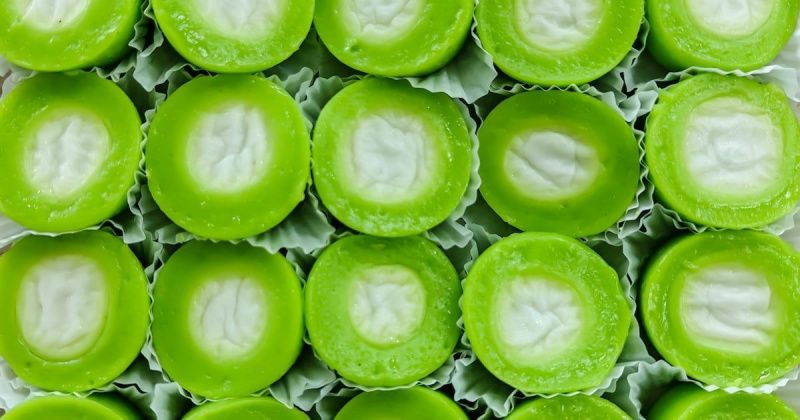
Europe represented 2% of global food and drink introductions containing pandan as an ingredient or flavour during the first nine months of 2026, while the United States accounted for 1%, according to Mintel. Sweet bakery represented 40% of pandan launches in North America and Europe over that period, matching its share in Asia-Pacific. Jonny Forsyth, principal strategist at Mintel Food & Drink, said interest was particularly evident among younger consumers willing to try unfamiliar flavours. In May 2025, 52% of American Gen Z and millennial consumers expressed interest in pandan. Mintel’s US data also showed that 20% had sampled it and were willing to consume it again, against 12% who would not repeat the experience. Forsyth said French social-media discussion of pandan increased ninefold year on year between April and July 2026.
Pandan is used in products ranging from lattes and soft drinks to cakes and ice cream. Its flavour combines mild sweetness and grassy notes with suggestions of vanilla, coconut and creamy nuttiness. The New York Times included it among its predicted star ingredients for 2025. Its fragrance comes from 2-acetyl-1-pyrroline, or 2AP, a compound also associated with jasmine rice and the toasted aroma of bread crusts. Tadashi Yoshihashi of the Japan International Research Center for Agricultural Sciences said pandan contains particularly high concentrations of the compound, and that its fragrance has supported its extensive culinary use across Southeast Asia. The plant has long, dark-green leaves and is used in both savoury and sweet preparations.
Yoshihashi identified flavouring and colouring as traditional uses of pandan. Cooks can incorporate it as a powder or liquid, or tie its leaves together before putting them into rice dishes, soups or stews. Suggested pairings include lemongrass, coconut, hazelnut and biscuits, covering citrus, creamy, nutty and toasted flavours. Chlorophyll provides the leaves’ green pigment, Yoshihashi said, giving foods and beverages a vivid colour. Forsyth attributed some of the ingredient’s appeal on social media to this appearance, alongside its Asian origins and a flavour he considered more approachable than matcha’s. He suggested that pandan could become a featured ingredient in indulgent bakery items and desserts, giving those products a greater sense of permissibility.
Although both ingredients are green and can be prepared as tea, pandan contains no caffeine, whereas matcha does. Much of the highest-quality ceremonial matcha continues to come from Japan, where traditional cultivation methods contribute to its association with a particular origin. Pandan is cultivated across Indonesia, Thailand, Malaysia, the Philippines, Vietnam, Singapore and Cambodia, as well as in South Asian countries including Sri Lanka. Forsyth said its everyday use in Asia gave it less of matcha’s exclusivity. He did not expect pandan to achieve comparable success, citing both that difference and the US consumer responses. His forecast was for greater near-term visibility, especially in sweet bakery and colourful beverages, followed by a period of experimentation rather than an enduring trend.
Researchers are also examining pandan in beverage formulations. A study published in 2026 developed a ready-to-drink product combining the leaves with turmeric and lemongrass. The authors selected pandan for its antioxidant properties and range of bioactive compounds. Participants evaluating the formulations favoured those with a larger quantity of pandan leaves, chiefly because of their aroma. The researchers linked growing interest in plant- and herb-based functional beverages to their natural ingredients and possible health benefits. They suggested that suitable proportions of the three ingredients could produce a drink combining sensory appeal with health benefits.
A separate animal study, published in 2025, examined pandan leaf extract in gestational diabetes. It found significant reductions in maternal blood glucose, improvements in insulin levels and an increase in live foetuses. The effects were comparable to those of metformin, a medicine used to reduce blood glucose in people with type 2 diabetes. The authors also cited earlier research into mechanisms through which pandan extracts might influence glucose regulation. Those studies found that leaf extract could inhibit the enzyme α-amylase, promote glucose uptake and neutralise free radicals—actions the authors linked to better glycaemic control and insulin sensitivity.
The same authors referred to findings that pandan root extract increased liver glycogen storage and insulin secretion, reducing blood glucose in diabetic models. Research incorporating pandan leaf extract into parboiled rice has also found a reduction in the rice’s glycaemic index and in blood glucose after meals, supporting investigation of its potential as a dietary intervention for diabetes.


