GLP-1 users spend about 3% to 4% less on groceries but still buy treats
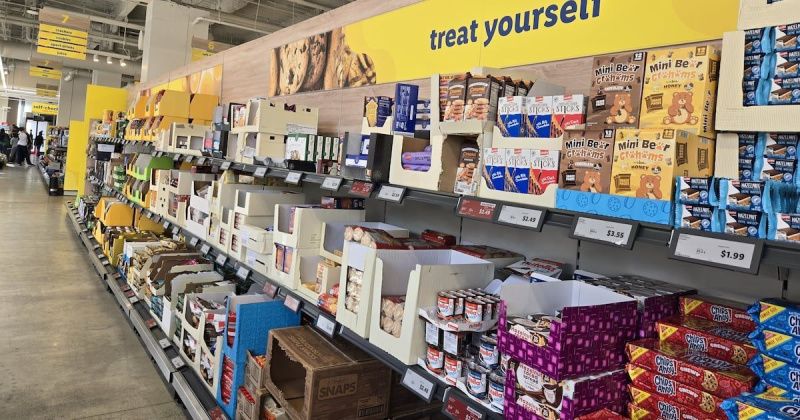
Bixa’s grocery-shopper survey, presented during an IDDBA webinar, found that a large majority regularly bought treats on shopping trips. Across respondents, 57% usually selected something they regarded as mostly healthy or as indulgent with some nutritional advantages; the remaining 43% generally chose an entirely indulgent product. Sarah Weise, Bixa’s chief executive, said shoppers were seeking enjoyment alongside products that suited their personal goals and daily routines. The frequency of choosing a mostly healthy treat differed by generation and income, as well as by GLP-1 use.
Ingredients, dietary preferences and flavours all influenced what respondents regarded as a healthier indulgence. Ingredient fashions, including the popularity of cottage cheese, were the leading reason for treat selection for 36% of those surveyed. Lifestyle considerations—such as gluten-free eating, keto diets and reduced portions—were cited by about 34%. Another 22% identified flavours associated with health, including matcha, turmeric, ginger and açaí, as a leading influence on their choice. Weise described shoppers’ approach as seeking indulgences that carried less guilt, judged through ingredients and lifestyle trends.
Bain’s October survey of 4,300 American consumers found that 20% had used GLP-1 medications during 2026, against 14% a year earlier. The consultancy forecasts that the proportion of US consumers who have used the drugs will reach 31% by 2030, above the level in every other regional market covered by its global study. In Britain, 7% of adults had used the medications in 2026; Bain projects that this will rise to 12% by 2030.
The category-level spending comparisons came from Bain’s analysis of credit-card transactions supplied by Pyxis. American GLP-1 users spent 6% less than non-users in both the desserts, candies and cookies category and the bread and baked-goods category. Their expenditure was 5% lower for salty snacks and 4% lower for carbonated drinks and soda. The British figures showed larger declines in several categories: spending on desserts, candies and cookies fell 10%, expenditure on bread and baked goods declined 9%, and purchases of carbonated drinks and soda were down 6%.
Bixa’s findings also distinguished between types of treats. Sweet baked goods were classified as entirely indulgent by 47% of shoppers, whereas 23% considered them somewhat healthy. Yet specialty cheese was selected as an entirely indulgent treat by 28% of current GLP-1 users. That compared with around 8% among respondents who were neither taking the medications nor considering them. Bixa’s research therefore identified continued treat-buying among GLP-1 users, including in categories beyond conventional sweet snacks.
Freshness was the strongest signal of healthfulness for current GLP-1 users, cited by 41%. Among shoppers looking for somewhat healthy treats, 46% identified real, recognisable ingredients as an important signal; protein and fibre also featured among the cues they used. These findings formed part of Bixa’s assessment of how consumers evaluate products that combine enjoyment with perceived nutritional benefits.
Product format also affected those perceptions. Although sweet baked items were more often regarded as entirely indulgent, breakfast bakery products were more likely to be viewed as somewhat healthy. Smaller servings of otherwise unchanged products were also more likely to be considered healthier, allowing shoppers to control how much they consumed. Bixa’s research suggested that brands could use changes to formulation, positioning or packaging to appeal to GLP-1 users who continue to seek treats.


