
Four more US states restrict SNAP purchases of selected foods and drinks
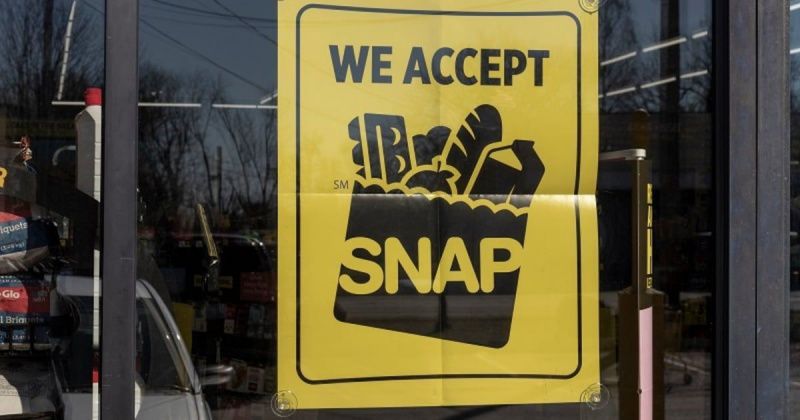
The Trump administration encouraged states to seek waivers excluding products such as soda and candy from SNAP purchases, describing the initiative as a way to direct public funding towards nutritious choices and better health outcomes. Opponents have challenged the restrictions on grounds including reduced choice for recipients, additional work for retailers and confusion over definitions that differ between states. Supporters argue that the programmes serve SNAP’s nutritional aims, could benefit public health and encourage responsible spending of taxpayer-funded assistance, according to Federal Register notices published on November 3.
A federal lawsuit filed on March 11 in the District of Columbia challenged USDA and Agriculture Secretary Brooke Rollins on behalf of SNAP recipients in Colorado, Iowa, Nebraska, Tennessee and West Virginia. The plaintiffs argued that USDA lacked authority to change food eligibility under SNAP and that its approval process breached the Administrative Procedure Act, including requirements for public notice. In June, a judge ruled for the recipients and vacated the waivers covering those five states; the decision left other states’ waivers unaffected. Nebraska is seeking approval for a similar programme. USDA continues to invite proposals, while additional approved programmes are scheduled to begin in Kansas, Missouri and Wyoming in February, followed by Hawaii and Ohio in April. Nevada’s programme is due to start in February 2028.
The newly implemented rules use different product definitions. Montana excludes energy drinks with more than 6 milligrams of caffeine per fluid ounce or 140 milligrams per container when they also contain at least one specified ingredient: taurine, guarana, glucuronolactone, ginseng, yerba mate or another stimulant, including herbal stimulants. Coffee, tea and drinks substantially based on either are exempt. South Carolina applies a threshold of 65 milligrams per 8 fluid ounces to beverages marketed as energy drinks, equivalent to slightly more than 8 milligrams per fluid ounce. North Dakota uses broader categories, including soft drinks and energy drinks. Montana also excludes prepared desserts that are shelf-stable, while permitting bakery products made in stores.
Purchasing data for the first quarter of 2026 showed declines in affected categories. Circana figures presented at a July 22 webinar put soda spending per SNAP household in waiver states 8% below its year-earlier level. The proportion of SNAP shopping trips involving soda fell by 9 percentage points. Candy purchase incidence among SNAP households in those states dropped from 22.5% to 16.2%, while the corresponding measure for energy drinks declined from 10.2% to 5.4%. Receipt data from Ibotta also recorded lower soda and candy purchases during the quarter. Across Indiana, Iowa, Nebraska, Utah and West Virginia, where restrictions had been introduced, soda purchases decreased by 15%, compared with a 7.5% fall in states without waivers.
Numerator’s May 26 report estimated that restrictions could reduce sales in the affected categories by as much as $830 million across states expected to have waivers operating by the end of the year. Its estimates included $430 million in lost soda sales and $300 million in lost candy sales. Food and beverage manufacturers have discussed the measures with investors, with several initially describing their effects as manageable or in line with expectations. Some also outlined plans to track implementation and adjust their commercial operations as restrictions expanded.
On Hershey’s April 30 first-quarter earnings call, chief executive Kirk Tanner characterised the effect of the initial five state waivers during the quarter as relatively small. He said the company had planned for a larger effect as the year progressed and would adapt its product assortment and pack formats to consumers’ needs. Keurig Dr Pepper chief executive Tim Cofer, speaking on April 23 during its first-quarter earnings call, likewise described the effects so far as manageable and broadly aligned with the company’s expectations and planning. He said the business would follow implementation in individual states and adjust its revenue-growth management capabilities where necessary to meet its guidance.
Other manufacturers addressed the risks in regulatory filings. In its 2025 Form 10-K, The Coca-Cola Co warned that widespread adoption of restrictive policies could adversely affect its products, costs of inputs, sales and reputation. It also identified differences between state policies as a potential complication for supply chains and customer relationships. Conagra Brands, in its Form 10-K covering the financial year ended May 31, warned that changes in government food-assistance programmes could weaken demand for its products.


