
FDA lowers orange-juice Brix minimum to 10, raises mandarin allowance to 15%
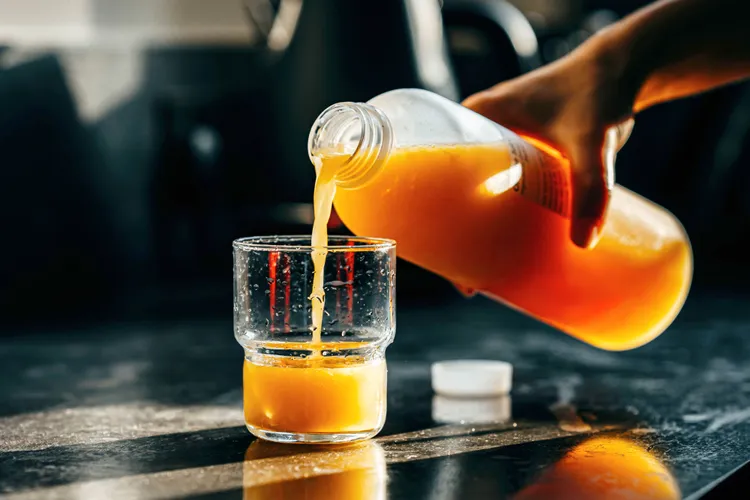
The FDA finalised the revised standard in July, changing requirements that dated from 1963. Robert F. Kennedy Jr., the health and human services secretary, announced the decision at an event in Lakeland, Florida, on July 17. The regulation became effective on August 19. The changes followed a 2022 petition from the Florida Citrus Processors Association and Florida Citrus Mutual seeking a lower Brix threshold. Another petition, submitted by Florida citrus organisations and the Juice Products Association, sought permission for a larger mandarin component.
Brix readings measure the concentration of dissolved sugars and other solids in juice. Florida growers have faced declining sweetness in their oranges as citrus greening, hurricanes and other severe weather have affected their groves. Citrus greening is a bacterial disease for which there is no known cure. Some of the state's oranges consequently yield juice with sugar levels too low to satisfy the previous requirement without additional sugar.
The agency's economic assessment put American orange output at 58.3 million boxes for the 2024-2025 season, down from 146.6 million in 2014-2015. Over that period, imports of orange juice increased from 280,000 metric tons to 400,000 metric tons. Some processors had used sweeter imported juice in their blends to achieve the concentration required under the earlier regulation, contributing to the increase in imports.
Kennedy said the regulatory change would save the industry more than $50 million annually. He also said the previous requirements had forced American processors to depend on foreign supplies. In his statement announcing the decision, he described the revision as a measure to strengthen domestic supply chains and improve conditions for American citrus growers while preserving product safety, quality and taste.
The FDA estimates that a serving at the newly permitted minimum contains approximately 17 grams of sugar; a serving at the previous minimum contains about 18 grams. The agency expects little perceptible change in flavour. It cited a tasting exercise supplied by the petitioners in which participants were unable to distinguish reliably between juices at the two concentrations.
Adding water remains prohibited under the standard. Manufacturers may retain their existing formulations and produce juice with Brix readings above the minimum. They are also free to use a smaller proportion of mandarin, tangerine or hybrid juice than the revised allowance permits. Consumers can compare the sugar quantities listed in products' Nutrition Facts panels.
Standards of identity establish the ingredients a product must contain to carry a particular food name. The FDA introduced such standards in 1939 after encountering products marketed as jam despite containing very little fruit. In 2025, the agency moved to eliminate dozens of requirements it regarded as obsolete, covering products including artificially sweetened canned peaches, goat's-milk ice cream and milk bread.


