
AHA: Stimulant products linked to approximately 11-fold higher cardiac-arrest reporting
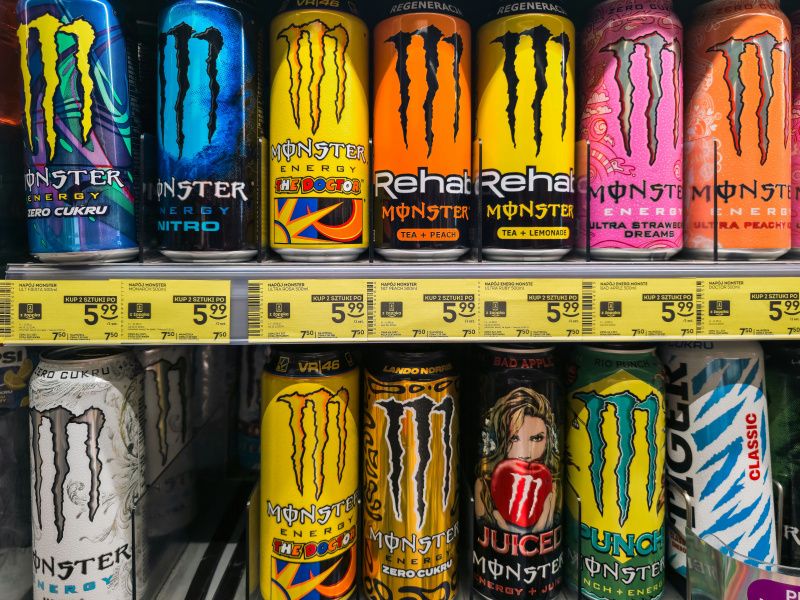
Researchers examined 28,345 reports of adverse events recorded in a US Food and Drug Administration (FDA) safety database during 2017–2025. Products containing caffeine or other stimulants accounted for 854 reports; the remaining 27,491 concerned products without those ingredients. Compared with other foods and dietary supplements, stimulant-containing products were associated with approximately 11 times the reporting frequency for cardiac arrest.
Reports concerning energy drinks and stimulant supplements included heart attacks about 4.5 times as often. Ventricular arrhythmias or heart palpitations appeared four times as frequently. The corresponding figures were nearly three times for elevated heart rate, 2.71 times for chest pain and approximately twice for fainting. People aged 18–34 represented around 45% of reports associating these products with cardiovascular events, and the researchers observed similar patterns for both sexes.
The research team suggested that the circumstances in which people consume these products could help explain the findings. Possible factors included using energy drinks before strenuous exercise and mixing them with alcohol or other drugs. The researchers also identified undiagnosed cardiac conditions as a potential contributor.
Sai Samayamanthula, an author of the study and a fourth-year medical student at the University of Virginia School of Medicine, said consumers may underestimate potential risks because the products are marketed for everyday use and displayed beside ordinary soft drinks and bottled water. He also said habitual consumption could take some users above recommended daily caffeine limits.
The AHA’s 2026 scientific statement addressing caffeine and cardiovascular disease regards daily caffeine intake of up to 400mg as generally safe for most adults. Some energy drinks, however, contain as much as three times the caffeine per fluid ounce found in brewed coffee. Certain supplements intended for use before exercise contain more than 12 times as much. The researchers noted that FDA oversight classifies energy drinks and stimulant supplements as foods or dietary supplements, with different pre-market safety-testing requirements from those applied to medicines.
Gregory M. Marcus, who chairs the AHA’s 2026 statement on caffeine and cardiovascular disease, said additional factors might have affected the results. He called for further research to establish whether the products were responsible for the reported events. The study authors also urged more systematic monitoring of the safety of products containing caffeine and other stimulants.
The analysis used voluntarily submitted adverse-event reports. The researchers identified this reporting method as a limitation, including uncertainty over how many consumers experienced no cardiovascular problems and how many adverse events were never reported. The preliminary findings have yet to undergo peer review.


